COULD PATIENTS WITH BREAST CANCER SAFELY SKIP RADIATION? INSIDE THE ROSALIE CLINICAL TRIAL
We sat down with Professor Boon Chua, as she discusses how ROSALIE aims to de-escalate treatment for women with early-stage breast cancer who achieve a complete response to chemotherapy, potentially reducing side effects without compromising outcomes.
Could Patients with Breast Cancer Safely Skip Radiation & the Potential Side Effects? Inside the ROSALIE Clinical Trial
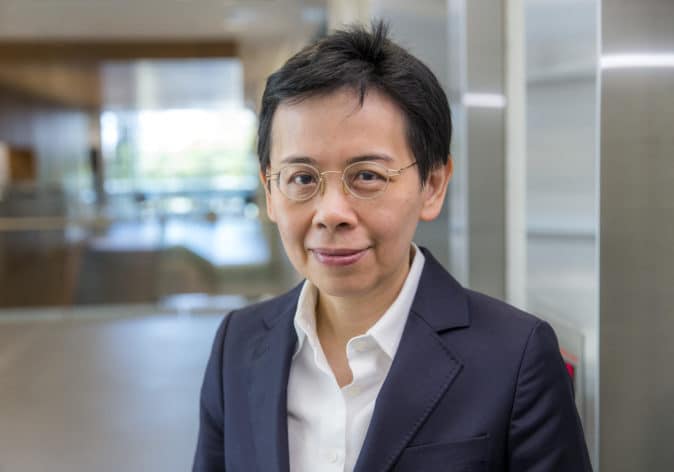
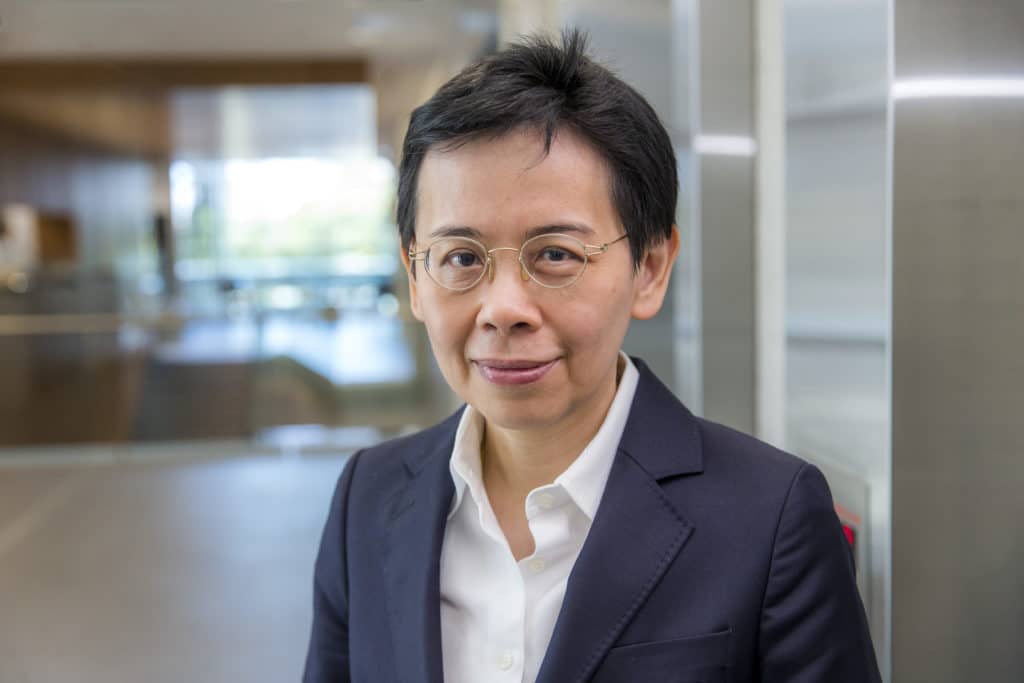
Could skipping radiation after breast conserving surgery be safe for some patients? The ROSALIE trial is exploring this possibility. We sat down with Professor Boon Chua, Radiation Oncologist and Professor of Medicine at the University of New South Wales, who leads the Breast Cancer Trials ROSALIE clinical trial.
Professor Chua discusses how the study aims to de-escalate treatment for women with early-stage breast cancer who achieve a complete response to chemotherapy, potentially reducing side effects without compromising outcomes.
“We’ve seen remarkable advances, in the treatment of breast cancer over recent years. Usually, patients who present with early-stage breast cancer would have a range of treatments, including radiotherapy, chemotherapy, hormone therapy, etc.”
“Increasingly, patients are having systemic therapy upfront, which includes chemotherapy and other forms of targeted therapy to try to downsize their cancer and to make them smaller, so that patients who otherwise would need a mastectomy (the removal of the whole breast) would then have the option of having breast conserving surgery. This means having only the cancer itself exercised.”
“And usually this would be followed by trying to eradicate any residual cancer cells. With the increasing effectiveness of chemotherapy and other forms of systemic therapy, they find that, more women who have chemotherapy and systemic therapy upfront, are found to have no residual cancer cells at a time of their breast conserving surgery.”
Listen to the podcast
Could skipping radiation after breast conserving surgery be safe for some patients? The ROSALIE trial is exploring this possibility. We sat down with Professor Boon Chua, Radiation Oncologist and Professor of Medicine at the University of New South Wales, who leads the Breast Cancer Trials ROSALIE clinical trial.

Key takeaways
- Better chemotherapy is changing what comes next
Advances in chemotherapy and targeted therapies mean many women with early-stage breast cancer now achieve a complete response before surgery—no detectable cancer cells at the time of breast-conserving surgery. This progress opens the door to rethinking whether all traditional follow-up treatments are still necessary. -
The ROSALIE trial asks a big, patient-centred question
The core question of the ROSALIE clinical trial is whether radiotherapy can be safely omitted for women who have no residual cancer after upfront systemic therapy and breast-conserving surgery. It’s about testing safety without compromising cancer outcomes. -
Skipping radiation could reduce side effects and costs—if proven safe
If outcomes are equivalent for patients who skip radiation, this could spare women from the physical side effects, emotional burden, and financial costs of radiotherapy, while still maintaining excellent cancer control. -
This is a move toward truly personalised breast cancer care
ROSALIE represents a broader shift toward treatment de-escalation and personalisation—tailoring care based on how an individual patient’s cancer responds to therapy, rather than applying the same treatment pathway to everyone. Clinical trial participation is key to building the evidence that makes this possible.
Can you tell us about the ROSALIE clinical trial and what the study is hoping to find out?
“So, all of this raises the question of whether these patients should routinely receive radiotherapy, which aims to eradicate any residual cancer cells. And therefore, through Breast Cancer Trials, we’re launching a new study called the ROSALIE Study.”
“And ROSALIE aims to test whether it is safe to omit radiation after breast conserving surgery in women who have received upfront chemotherapy and other systemic therapy and are found to have no residual cancer cells in the breast tissue at the time of surgery.”
How could this research change the way we treat breast cancer in the future, especially for patients with early-disease?
“If the study shows that women who omit radiation, have outcomes that are no worse than those patients who would routinely have radiotherapy then these patients will be able to avoid radiotherapy and the side effects and the financial cost of this treatment.”
“This would then support the clinicians and patients to personalise or tailor the use of radiotherapy according to their individual responses to chemotherapy and assisted therapy.”
What would you like patients and the public t understand about the importance of participating in a trial like this?
“The study may be suitable for you if you have early-stage breast cancer that hasn’t spread to the lymph nodes. There is no greater privilege than having the opportunity to work with our patients and supporting them to achieve the best outcomes possible.”
“For them as individuals there are usually options for every patient who presents with breast cancer. So, what we try to do in conducting research such as the ROSALIE study, is to generate the evidence that would then allow us to tailor the treatment, as in the need for radiotherapy or other forms of treatment, according to the individual needs of the patient.”
“Clinical trials are often costly to conduct, especially for studies like ROSALIE that depend heavily on public support and public funding for its successful conduct. And therefore, we are very grateful for your support in allowing us at Breast Cancer Trials to conduct research that ultimately would benefit our patients and our future generations – so thank you.”
QUICK ACCESS
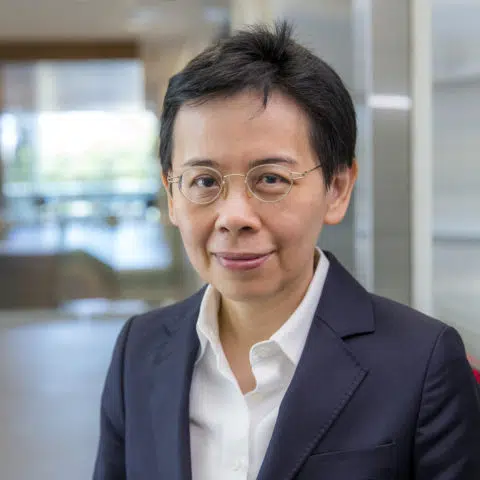
Professor Boon Chua
Support Breast Cancer Research
Could Patients with Breast Cancer Safely Skip Radiation? Inside the ROSALIE Trial
We sat down with Professor Boon Chua, as she discusses how ROSALIE aims to de-escalate treatment for women with early-stage breast cancer who achieve a complete response to chemotherapy, potentially reducing side effects without compromising outcomes.
 Listen On Spotify
Podcast Transcript
-
Could Patients With Breast Cancer Safely Skip Radiation & the Potential Side Effects? Inside the ROSALIE Clinical Trial
Could skipping radiation after breast conserving surgery be safe for some patients? The ROSALIE trial is exploring this possibility. In this episode, we sit down with Professor Boon Chua, Radiation Oncologist and Professor of Medicine at the University of New South Wales, who leads the Breast Cancer Trials ROSALIE clinical trial.
Professor Chua discusses how the study aims to de-escalate treatment for women with early-stage breast cancer who achieve a complete response to chemotherapy, potentially reducing side effects without compromising outcomes.
“We’ve seen remarkable advances, in the treatment of breast cancer over recent years. Usually, patients who present with early-stage breast cancer would have a range of treatments, including radiotherapy, chemotherapy, hormone therapy, etc.”
“Increasingly, patients are having systemic therapy upfront, which includes chemotherapy and other forms of targeted therapy to try to downsize their cancer and to make them smaller, so that patients who otherwise would need a mastectomy (the removal of the whole breast) would then have the option of having breast conserving surgery. This means having only the cancer itself exercised.”
“And usually this would be followed by trying to eradicate any residual cancer cells. With the increasing effectiveness of chemotherapy and other forms of systemic therapy, they find that, more women who have chemotherapy and systemic therapy upfront, are found to have no residual cancer cells at a time of their breast conserving surgery.”
Can you tell us about the ROSALIE clinical trial and what this study is hoping to find out?
“So, all of this raises the question of whether these patients should routinely receive radiotherapy, which aims to eradicate any residual cancer cells. And therefore, through Breast Cancer Trials, we’re launching a new study called the ROSALIE Study.”
“And ROSALIE aims to test whether it is safe to omit radiation after breast conserving surgery in women who have received upfront chemotherapy and other systemic therapy and are found to have no residual cancer cells in the breast tissue at the time of surgery.”
How could this research change the way we treat breast cancer in the future, especially for patients with early-stage disease?
“If the study shows that women who omit radiation, have outcomes that are no worse than those patients who would routinely have radiotherapy then these patients will be able to avoid radiotherapy and the side effects and the financial cost of this treatment.”
“This would then support the clinicians and patients to personalise or tailor the use of radiotherapy according to their individual responses to chemotherapy and assisted therapy.”
What would you like patients and the public to understand about the importance of participating in trials like this and who is eligible to participate in ROSALIE?
“The study may be suitable for you if you have early-stage breast cancer that hasn’t spread to the lymph nodes. There is no greater privilege than having the opportunity to work with our patients and supporting them to achieve the best outcomes possible.”
“For them as individuals there are usually options for every patient who presents with breast cancer. So, what we try to do in conducting research such as the ROSALIE study, is to generate the evidence that would then allow us to tailor the treatment, as in the need for radiotherapy or other forms of treatment, according to the individual needs of the patient.”
“Clinical trials are often costly to conduct, especially for studies like ROSALIE that depend heavily on public support and public funding for its successful conduct. And therefore, we are very grateful for your support in allowing us at Breast Cancer Trials to conduct research that ultimately would benefit our patients and our future generations – so thank you.”