- Research
- 2022-2026 Research Strategy
- Open Clinical Trials
- Closed Clinical Trials
- What is a Clinical Trial?
- Why Participate in a Clinical Trial
- Remote Telehealth Pre-Screening Process
- Research Achievements
- Publications
- Research Development and Funding
- Participating Institutions
- International Collaboration
- BCT Trials & Projects Summary
- Translational Research
- Clinical Fellowship Program
- International Fellowship Support
- Annual Scientific Meeting
- Travel Grants and Awards
- About
- Our Impact
- Fundraise
- Donate
- Researcher Login
- Cart
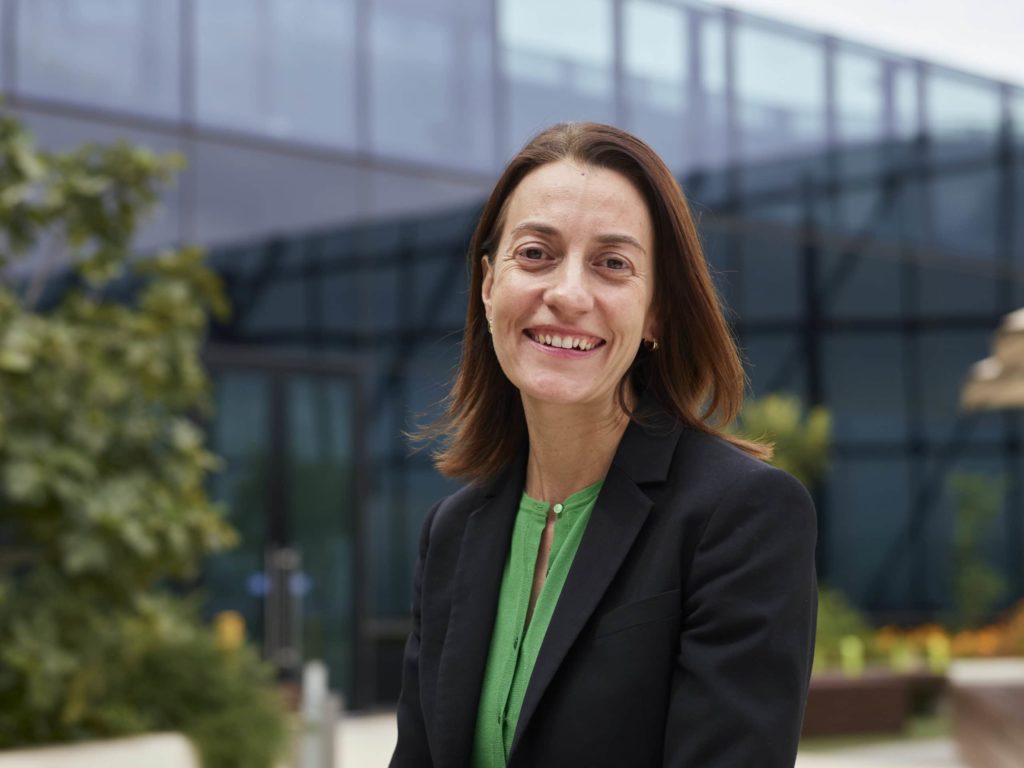
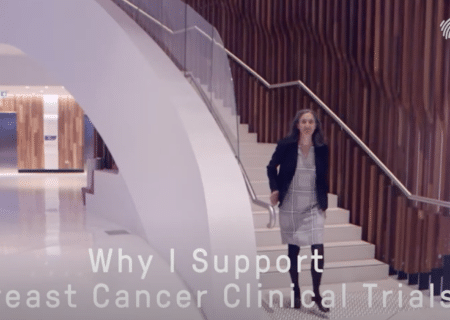
About Professor Sarah-Jane Dawson
Professor Dawson is the BCT Study Chair of the CAPTURE clinical trial.
CAPTURE is investigating if treatment with a PI3K inhibitor (alpelisib), in combination with fulvestrant, will improve outcomes for patients with oestrogen (ER) positive, HER2 negative metastatic breast cancer when compared with standard treatment.
The clinical trial is only open to patients whose breast cancer harbours a specific mutation in a gene called PIK3CA. Potentially eligible patients undergo a simple blood test to see if their breast cancer has the PIK3CA mutation through the analysis of circulating tumour DNA. Many cancers, including breast cancers, shed small amounts of DNA (called circulating tumour DNA) into the bloodstream providing a ‘liquid biopsy’ alternative to tissue biopsies for understanding genetic changes and guiding treatment options.
Biography
Professor Sarah-Jane Dawson is a clinician-scientist focused on translational cancer research. After completing her clinical training in Melbourne (2006), she undertook her PhD and postdoctoral studies at the University of Cambridge, UK (2007-2013).
Her training and research experience during this time provided her with a diverse range of skills in genomics and cancer biology, as well as in the conduct of large translational research studies. These qualifications and skills have helped her forge a career in cancer biomarker research and she returned to Melbourne in 2014 to establish her own research group at the Peter MacCallum Cancer Centre.
Professor Dawson is co-lead of the Cancer Biology and Therapeutics Program and head of the Molecular Biomarkers and Translational Genomics Laboratory at the Peter MacCallum Cancer Centre in Melbourne Australia. She also holds a joint appointment with the Centre of Cancer Research at The University of Melbourne. She is a fellow of the Australian Academy of Health and Medical Sciences and was recipient of the Jian Zhou Medal in recognition of translational medical science in 2020. Professor Dawson currently holds an NHMRC Leadership Fellowship.
She is internationally recognised as a leading clinician-scientist in the field of circulating tumour DNA research. Over the last decade her research team has pioneered ‘liquid biopsy’ approaches to capture and analyse circulating tumour DNA as an innovative biomarker for both genomic profiling and monitoring of treatment responses in cancer.
Her research program centres on the ongoing development of non-invasive blood-based biomarkers for clinical application, including early detection, risk stratification and disease monitoring in cancer management to improve patient outcomes.
Qualifications and Professional Experience
Professor Dawson’s qualifications and professional experience includes:
- PhD, Molecular biomarkers in breast cancer, University of Cambridge, UK
- Bachelor of Medicine and Surgery, University of Melbourne
- Fellow (FRACP) – Royal Australasian College of Physicians
Her clinical practice and research is undertaken at the Peter MacCallum Cancer Centre in Melbourne Australia.