
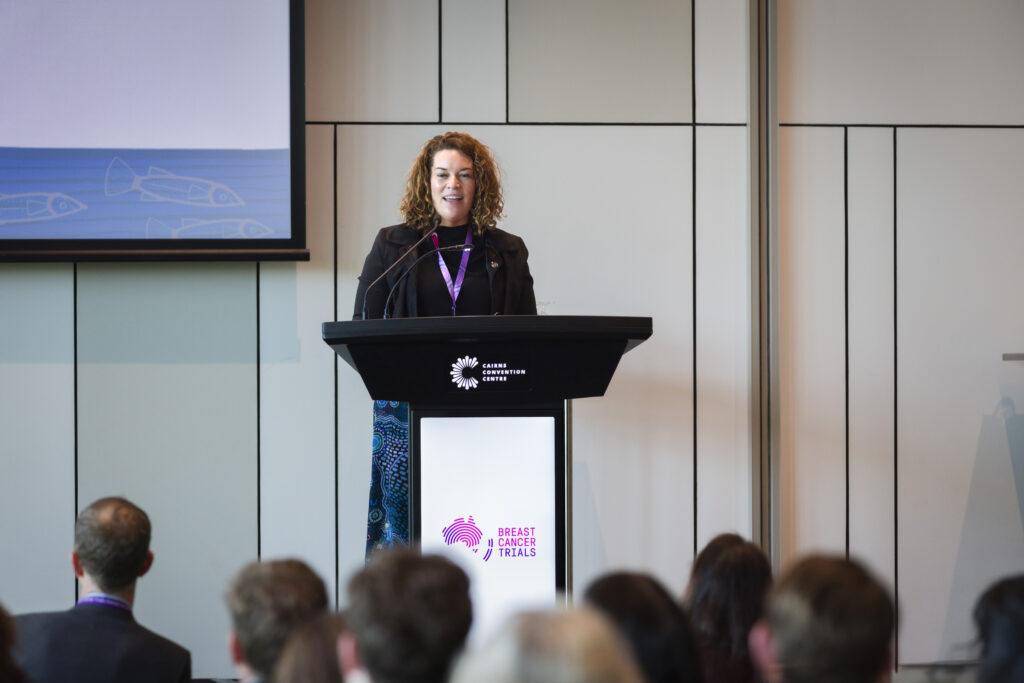
ABORIGINAL AND TORRES STRAIT ISLANDER CARE AND THE KULAY KALINGKA STUDY

Shavaun Wells is a Senior Fieldwork Officer on the Kulay Kalingka study, a National Cohort Study aiming to understand Aboriginal and Torres Strait Islander people’s beliefs and attitudes about cancer, and we spoke with her about the importance of this research.

Ms Shavaun Wells is a proud Tungurrung woman. The concept of improving Indigenous health, wellbeing, and quality of life resonates with Shavaun and has influenced the roles, research, and studies that she has undertaken.

Shavaun is a Senior Fieldwork Officer on the Kulay Kalingka study, a National Cohort Study aiming to understand Aboriginal and Torres Strait Islander people’s beliefs and attitudes about cancer, engagement with cancer screening programs, and experiences with cancer diagnosis, care and treatment to improve experiences and outcomes. And we spoke with her about the importance of this research.

“I’ve been working as an aboriginal health worker for the last nine years, and I fell into to research. All the women who have passed in my family have passed from breast cancer, so it was more of a passion piece of work to do than an actual job. And I’m currently leading the Kulay Kalingka study.”

“We launched the Kulay Kalingka study last July in Condobolin and we wanted to launch it in a community instead of a university. We launched the video when we were there, so we filmed a video on the day of the launch, which was great to see.”

“Kulay Kalingka translates to “net bag in the water” in Ngiyampaa (Wongaibon) language. Woven net bags have been used by rainforest Bama (peoples) to process highly toxic foods, whereby foods are placed in net bags and run through a slow-moving stream to leach out their toxins and make them safe over time.”

“So the artist who designed our amazing graphics, his name is Bernie Singleton. His wife had stage four ovarian cancer when he was designing this. He’s an Aboriginal man, and he had this idea of designing a net bag to put her in the net bag and let the toxins drain from her body like Aboriginal people would do with fish back in the day to drain out any toxins.”

“We heard his story, and we just went, that’s what we’re doing. So, we did some work with Condobolin, but we had this one lady there and she had five kids. She had to travel five hours to Sydney to undertake a breast screen. She was diagnosed with cancer, so she had to find a babysitter for her five kids.”

“She had to hire a car to get to Sydney to get a treatment. She hit a kangaroo on the way back, she didn’t have the proper insurance, and then was sort of $20,000 in debt from trying to receive her diagnosis, and then she stopped undertaking any treatment after that. And we’ve had so many men say to us ‘I drove to the hospital, but I didn’t know where to park, so I just left’.”

“So, we collect data through surveys. We were really worried about causing Aboriginal people distress when they were talking about their cancer journey, but it was the opposite effect. People were saying, I’ve never had a platform to tell you, or to tell anyone what is going on with my cancer and what I didn’t like, what I did like and what the barriers were for me.”

“So, people have sort of found it a really nice way to get their journey outwards. And we just collect surveys, but we’ve had probably 15 people come to us and say I want to tell you about my journey not just tick boxes.”

“So, we’re just speaking to a 19-year-old Aboriginal man on the Gold Coast who had this cancer that he described as being the size of a Red Bull tin. He was 19 when he had his first diagnosis, and it was Christmas Eve, so everything was closed for a while.”

“We’re just speaking to all these people, because people can tick boxes and we can sort of decipher their story, but to hear their story and to see their photos is just so powerful. So it’s actually sounds like an awful study trying to find out cancer experiences, but people with cancer seem to be empowered by sharing their experience.”

Listen to the Podcast

We spoke to Shavaun about the Kulay Kalingka study, and the concept of improving Indigenous health, wellbeing, and quality of life.

What are some important cultural considerations when providing breast cancer care to Aboriginal and Torres Strait Islander women?

“We’ve found that Aboriginal and Torres Strait Islander women diagnosed with breast cancer were more likely than other Aboriginal and Torres Strait Islander women diagnosed with other cancers to hear the news from an Aboriginal and Torres Strait Islander health worker.”

“Among all women with cancer, only one in three participants felt that the information they received about their cancer at the time of their diagnosis was designed for Aboriginal and Torres Strait Islander people. We also found that it was important where one in three women with breast cancer had family attend their appointments.”

“Aboriginal and Torres Strait Islander women with cancer commonly identified the following factors as important to them during their cancer treatment:

  • They really wanted to ensure that family were able to attend their appointments.
  • Being culturally safe during their treatment
  • Having access to someone who understands their culture
  • Having a doctor that they feel comfortable with
  • Having an Aboriginal and Torres Strait Islander person to talk to who can support them.”

“The participants of the study were asked whether certain factors delayed any access to their treatment. The most reported factors that hinder timely treatment were location of the treatment centre, cost of the treatment, navigating the healthcare system, racism in the healthcare system was quite prominent and lack of childcare services.”

“Other barriers that Aboriginal and Torres Strait Islander women identified with their cancer treatment was a lot of transport issues, which was higher than other Aboriginal and Torres Strait Islander women with a cancer diagnosis and having to explain and potentially re-explain their story to the healthcare professionals, and some language barriers.”

How can healthcare workers better engage with Aboriginal and Torres Strait Islander communities to improve treatment outcomes?

“When we’ve been speaking with the Aboriginal and Torres Strait Islander women a lot of women have identified that screening services aren’t always close to them.”

“We’ve spoken to quite a lot of women over the age of 40 who are eligible for breast screening but aren’t reminded again to sort of undertake that screening within two years. The system only sends out automatic reminders when they turn 50.”

“We’ve also found that a lot of Aboriginal and Torres Strait Islander people are scared of a diagnosis. So, producing materials that are designed for Aboriginal and Torres Strait Islander people would be a good start.”

What support networks or resources are available to Aboriginal and Torres Strait Islander women diagnosed with breast cancer?

“The Kulay Kalingka study is a national cohort study, so we’ve been able to sort of find some areas that may have cancer navigators or an appropriate McGrath Cancer Nurse, who can point them in the right direction. We found that one in four Aboriginal and Torres Strait Islander women who are on their cancer journey are also caring for someone else on their cancer journey and putting their own needs secondary.”

“So, the idea of a holistic support service that isn’t just directed at the cancer patient, but the family that surrounds that woman or that man with breast cancer would break down some barriers. In some locations, and some quite remote locations, we’ve found Aboriginal and Torres Strait Islander I guess health workers who might’ve been on their own cancer journey, or their family has been on their own journey and therefore they offer to train doctors.”

“It mostly applies in Aboriginal medical services where Aboriginal health workers and GPs or doctors might be working together, and it might be an indirect learning.”

What are your hopes for the future of breast cancer research?

“I guess that the breast cancer journey and awareness become more of a proactive step and not a reactive step, and that Aboriginal and Torres Strait Islander women know that it is okay to undertake cancer screening programs and that they are proactive in doing that. I also hope that there can be some services that are close to home, and that there aren’t financial costs.”

“A lot of people say that cancer treatment is free, but we’ve come across a lot of women who need to organise babysitters, their own accommodation, their petrol, and they’ve got to pay for parking at the hospital, just as some examples.”

“So there seems to be a lot of other barriers that aren’t really considered when you say that cancer treatment is free.”

Support Us

Help us to change lives through breast cancer clinical trials research
Latest Articles

choosing your path and navigating difficult treatment decisions
lotjpa yapaneyepuk (talk together): bridging communities and cancer research
split-banner-image

CAN YOU REALLY IMPROVE ENDOCRINE THERAPY ADHERANCE WITH TEXT MESSAGES?

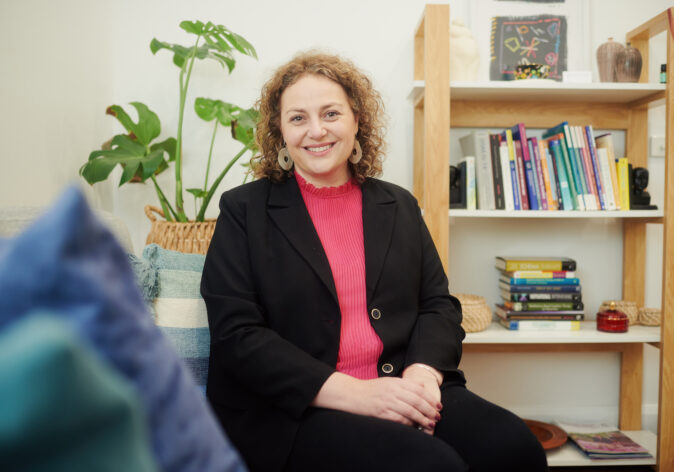
Dr Anna Singleton is a Senior Research Fellow at the Daffodil Centre, and we spoke with her about the EMPOWER-SMS clinical trial and what it aims to achieve for breast cancer patients.

Dr Anna Singleton is a Senior Research Fellow at the Daffodil Centre, a joint venture between the University of Sydney and Cancer Council NSW. Her research focuses on co-designing and implementing accessible and scalable digital health services to improve health outcomes for people living with and beyond cancer.

We spoke with her about the EMPOWER-SMS clinical trial and what it aims to achieve for breast cancer patients.

“Our EMPOWER-SMS clinical trial really aimed to improve women’s health and wellness after they’re finished their sort of initial treatment, surgery, chemotherapy, and radiation therapy.”

“What consumer representatives have told me is that they finish those treatments, they ring the bell, they’re so excited, and then they go home, and months go by, and they’re still not feeling quite like themselves, they sort of miss the support that they were getting from the community.”

“They Googled cancer online and what to do after cancer and all these different things came up, which was super overwhelming for them.”

“So, we thought, why don’t we create a program to help support you during that time and sort of point you in the right directions. So, EMPOWER-SMS is a co-designed health and wellness text message program. So, people get four text messages per week for six months about a range of different topics.”

“So, it could be related to the food that you should be eating, or how much exercise you should be getting, or how to manage some of those really tough side effects, like hot flushes and joint pain. There’s also links to helpful websites or free programs that you may or may not know about in the community. And the aim is really to link up the information that your doctors have already given you with freely available services that are offered in your community, and just really provide that individual support directly to your phone that you’re already using every day.”

Listen to the Podcast

We spoke to Dr Anna Singleton about improving endocrine therapy adherence through text messages.

What were the main findings of the trial?

“What we found was that receiving these messages helped people miss fewer doses of their endocrine therapy because they were able to better manage some of those really tough side effects and they knew who to talk to when they needed help.”

“There were quite a few messages about if you’re feeling this certain way or if you’re noticing these side effects, go speak to your doctor about it and ask them if it’s normal. See if there’s any options for you. Because they’ve given you this medication because it’s supposed to be helping you more than it’s hurting you. And if it’s hurting you a lot, then we need to look at some other options.”

“So, it was really that type of messaging. We also found that it slightly helped people improve their physical activity by about five minutes each day, which is really exciting. It doesn’t sound like much, but new research shows that even doing five extra minutes of physical activity every day can lower your risk of heart disease and lower your risk of cancer coming back.”

“It was cool that a little text message could sort of do all that. But I think more importantly than all of that, we got a lot of feedback from people about the messages, and 100 percent of them said it was easy to understand, and 91 percent said they were useful, and it helped them with managing their health and that was really, exciting.”

“Some of our participants said it felt like they had a secret friend who was supporting them, and nobody else had to know about it. One person even said, ‘it was nice that I could change my behavior, and nobody knew it was because of what was happening in a text message. It just looked like I was doing it on my own’.”

Was there someone on the other end or were these automated messages that got sent to them?

“In that trial, they were discouraged from texting back. Some people would, which was also totally fine. Since the trial, we’ve sent it out to over 850 people during the COVID-19 pandemic. And they were allowed to text back. And, they would just say things like ‘oh, thank you so much for the advice’.”

“If they did ask any medical questions, which was maybe 10 messages out of the hundreds and hundreds of messages we received, we would just instruct them to speak to their doctor about that particular issue.”

How do regular text messages contribute to improving medication adherence among breast cancer patients?

“So, I think it depends. These messages were really designed for people with a lived experience of breast cancer, with their doctors. So, I think it added this sort of extra layer of helpfulness and they were really based in science and the program wasn’t solely. medication. It was about your health and wellbeing as a whole.”

“So, I’ve seen quite a few papers that only do a message a day about adhering to your medication, and they often fail. And I do wonder if it’s because there’s too much focus on the one thing and the one message coming at the same time every day.”

“So, if you are looking for sort of daily reminders, I think that’s the place that you’d want to go, especially apps that have a bit of information or some videos. I did a study about the Medsafe app, which is good for people who take a lot of different medications because you can program them in.”

“It sort of looks like a pill box on the screen and you can tick off when you’ve taken it. So, then you have a list that sort of tracks if you took it today. I think there’s lots of ways that you can use tools that you have every day like your phone, or even a calendar and a check mark, that works too. It’s whatever works for you.”

“What sort of made this program special as well is it comes at random times during the day and on random days. So, it really feels like a friend or a family member is messaging you, which is a little different because if you’re really looking for something to support you in your medication adherence, they are really helpful as well.”

What are the potential challenges of reaching patients through text messages?

“So, there’s huge problems at the moment with spam text messages. People are very nervous to open text messages, and to click any links in text messages. So, I’m actually running a new trial where GP practices will be sending a text message inviting people to this program across Australia.”

“I’m making sure that that message really feels like it’s coming from that GP and it’s coming from the exact same number where they always get their appointment reminder message from is really important so that they can trust that it’s not some sort of spam thing trying to steal their money, which can be really difficult.”

“And not only for the patients as they may call the practice, and it may clog up the phone lines. So then other patients who need help can’t get it because the receptionists are busy dealing with this big problem. So, it has been very challenging recently trying to sort of navigate the space.”

What do you foresee as the next steps or future research directions and improving medication adherence for breast cancer patients?

“Yeah, so I’m launching a trial in general practice and so that one is focused on physical activity, but medication adherence is a secondary outcome that we’re looking at and seeing if it is helpful or not to have these messages about how to manage side effects or how to create little habits to remember to take your medication, especially when you’re starting out with the new medication.”

“You’ve just come out of the hospital. It’s a new habit you have to form. How can I make it easier based on science? I’ll be your nerd helping you in the background sending you messages about it. We’re also trying to understand how we can integrate this into services that already exist. So, Breast Cancer Network Australia has an incredible phone line where you can call and get advice and support and they can point you in the right direction, whatever you need.”

“So, we’re now in discussions about incorporating EMPOWER-SMS into those services. So that’s another option for people. Because what I think is important is that one size doesn’t fit all. So, some people like text messages, some people like apps, some people like websites. And so, just giving people the opportunity to choose for themselves how they’d like to receive the information is important.”

For women who are currently undergoing or about to start endocrine therapy, what advice would you give them?

“I can tell you what all the consumer representatives have told me. I had some amazing consumer representatives from Breast Cancer Network Australia, and the Westmead Breast Cancer Institute. And they were so funny telling me about their experiences and they were giving me tips about, you know, if you’re having a hot flush at night, lay a towel on your bed. And then if you have a hot flush, and you’re feeling sweaty, pull it off the bed, put another one on. So, it’s just about normalizing that these things are happening and there are ways to manage them.”

“One tip they said was, if you really like swimming, that’s a good idea because if you’re exercising and you have a hot flush, you’re already wet, so you’ll cool down right away. It was just beautiful to see how they could spin sort of an annoying situation into a lighthearted thing. And we are wanting to make sure to normalise that other people are going through this as well, and to reach out if they need support.”

“We also want people to know that they should tell their doctors if they need help, as they’ll have more tips for you. Some of the side effects can get better over time if you continue taking your medication, and making sure not to stop taking it without speaking to your doctor because that can be a big problem as well.”

“So just a few of those tips. I’m not an expert in endocrine therapy but I just can share the information that sort of the doctors and the consumer reps have told me about it.”

What are your hopes for the future of breast cancer research?

“In general, a cure for all the different types and the strains of breast cancer so that we don’t have to deal with this anymore. I mean, a vaccine would be amazing, the same way that they have done for cervical cancer. I just think they’ve revolutionized the way we think about it as a prevention versus a cure.”

“I think having support for people who sort of finish that initial active treatment phase and who are moving into sort of trying to navigate their life again, but also having to go through those yearly scans that are scary. I also want to see more support for people living with metastatic disease. I think people are living years and years and having happy big, long lives with metastatic breast cancer and there’s just not enough information and support for them.”

“I have an amazing colleague at the Daffodil Center named Dr Andrea Smith who is a person with lived experience with metastatic breast cancer who’s just done incredible work in the space, and for the for the first time her and her team have been able to have an accurate number for how many people with metastatic disease are living in Australia, which is just incredible because now they can accurately say this is the amount of people who need help and support.”

“So, across the board, I think there’s exciting things happening. I’m happy to be part of it and to uplift consumer voices, to understand what they need and how I can help facilitate it.”

Support Us

Help us to change lives through breast cancer clinical trials research
Latest Articles

choosing your path and navigating difficult treatment decisions
lotjpa yapaneyepuk (talk together): bridging communities and cancer research
split-banner-image

THE ROLE OF GENOMIC TESTING AND THERAPEUTIC TARGETS IN BREAST CANCER

Genomic testing looks for changes in genes that can cause health problems, and is primarily used to diagnose rare and inherited health conditions and some cancers. We spoke to Dr Luen about the role of genomic testing in breast cancer treatment. Find out more in the article below.

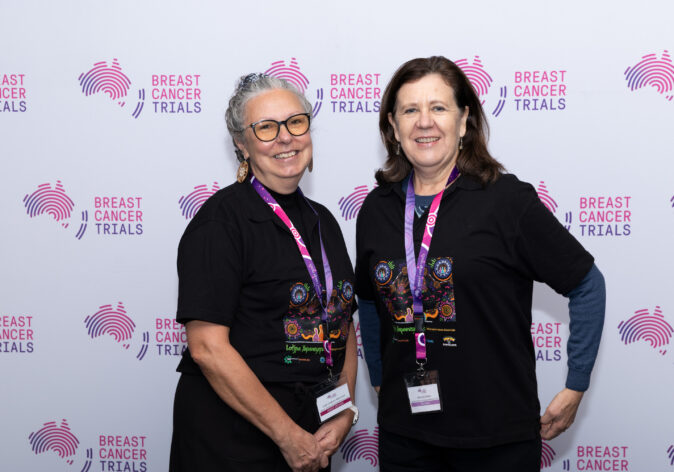
Dr Stephen Luen is a Medical Oncologist and Translational Researcher at the Peter MacCallum Cancer Centre in Melbourne. His current research interests include the study of genomic and immune biomarkers in breast cancer, with a particular focus on investigating biological characteristics and developing clinical trials for high-risk subgroups of patients.

We spoke to Dr Luen about the role of genomic testing in breast cancer treatment.

“At the heart of it, there’s two main components of genomic testing as we call it, and it’s becoming much more common as our standard approach to breast cancer. So, one is what we call germline testing, which is essentially testing and looking at the DNA in normal cells in an individual.”

“Usually that’s from a blood sample or from a mouth swab or something. And many people will understand that sometimes we’re looking for mutations in certain genes that might be inherited, that increase your lifetime risk of breast cancer. But increasingly we’ve recognized we can also use that to predict benefit from certain drugs.”

“So, the classic example is with a BRCA1 or BRCA2 gene mutation, where we can use PARP inhibitors. But moving beyond that, we’ve also looked at doing genomic testing on the tumour itself. And by doing that we start to understand what changes in the DNA are driving the cancer to grow and propagating that cancer’s growth.”

“Sometimes we’re able to identify those alterations and target them with specific drugs. Now, in the old days, these drugs were only partly effective, and they were pretty toxic. So, they caused lots of side effects, but the newer generation of drugs are certainly becoming cleaner, they have less side effects and they’re more potent so they’re potentially more effective.”

“And so, in my talk, I would like to sort of present some data and discuss some of the themes that are coming about with the development of these drugs.”

Listen to the Podcast

We spoke to Dr Luen about the role of genomic testing in breast cancer treatment.

How does genomic testing contribute to personalised treatment approaches for breast cancer patients?

“The whole premise of the genomic testing is to understand what is driving this individual cancer, because every cancer is unique. And in that way, you can really personalise the treatment for each patient. So, if there’s a change in one of the BRCA genes, you can then use a PARP inhibitor. If there’s a change in PIK3CA, you can use a PI3 kinase inhibitor, and it sort of pushes away from that concept of everyone having the same treatment.”

“They all come in trials where they use things like chemotherapy and endocrine therapy. So, it’s the idea of personalising treatments so that you can better target the individual cancer.”

What are some potential benefits of undergoing genomic testing for breast cancer patients?

“From my perspective as a clinician the most common reason we’re doing genomic testing is to identify, ideally, a change that results in a new drug target, and that means we can potentially use a drug that has improved efficacy and really good effectiveness in an individual’s tumour to be able to control the cancer better or even increase the chance of cure.”

“And I think this allows patients to have more choices in terms of therapy. Of course, there’s nuances in how you use those drugs. Are they used in combination with other drugs? Are they used at certain times? Are there particular what we call lines of therapy? Are they used in early breast cancer or advanced breast cancer? But it gives us more choices and helps us understand how to best manage a cancer, optimise patient outcomes, as well as improve quality of life.”

“We’ve fortunately just had approval of Olaparib in the neoadjuvant setting. This was from a clinical trial called OlympiA. There will be some discussion about that trial at the symposium. But there are a multitude of other clinical trials that are coming about, and in my presentation today, I’m just going to highlight a few clinical trials in those fields.”

“There are a number of clinical trials using these drugs called Selective Estrogen Receptor Degraders (SERD), which target the oestrogen receptor, and they actually degrade the oestrogen receptor. And these are proven to be more effective in patients with these mutations in a gene called ESR1.”

“And this is an acquired resistance mechanism, so it gives us an opportunity to treat a cancer that is developing resistance to our standard hormonal therapies. Another example is the INAVO120 clinical trial, where they’ve really introduced a PI3 kinase inhibitor early on in the piece, and that’s shown effectiveness in phase III data in combination with the current standard treatment.”

“However, we always need to balance this with the side effect profile that adds when you add it in combination. And finally, I did also want to talk a bit about new strategies. I’ve mentioned a drug called Saruparib, which is a new next generation PARP inhibitor, which will be tested in a new clinical trial that’s upcoming called EVOPAR-BREST01.”

“So, just a few clinical trials on the horizon and there are many more with new drugs coming through.”

“Ideally, we also aim to lower the risk of side effects. So, hopefully moving away from things like chemotherapy that has lots of side effects associated with it and moving towards something that’s a bit cleaner.”

What advice would you give breast cancer patients who might be considering genomic testing?

“So I think the first thing you should do is have a discussion with your medical oncologist. Genomic testing is something that is relatively new, but I’d expect most oncologists to have some literacy around this and be able to discuss it with you. There are a few ways to get genomic testing. Of course, some of them are reimbursed. And most of that is germline testing.”

“At the moment, there is also a national program where we’re able to perform a comprehensive genomic test on a tumour, and I’d encourage people and clinicians to consider using those tests to be able to springboard our patients on to give them opportunities in clinical trials and access to novel drugs, which hopefully will improve their outcomes.”

“So, in the context of genomic testing and targeted therapies, I think this is definitely one way forward, and the way I think it’s going to happen is through one of the themes that I’m going to talk about, which is bringing in these drugs early and in combination, bearing in mind that there may be some increased toxicities or side effects that are associated with that approach.”

“But what’s happening in drug design now with targeted therapies, is that there’s a real focus on two things. One, to make the drugs more potent and hopefully therefore more effective, but also to make them more selective, which means they hit a target very selectively and they result in much fewer side effects.”

“The ideal situation here is to be able to target resistance mechanisms all in that first line of therapy, to really give you the best duration of response as well as quality of life in that first line setting, which I think will be the way forward with targeted therapies in breast cancer.”

Support Us

Help us to change lives through breast cancer clinical trials research
Latest Articles

choosing your path and navigating difficult treatment decisions
lotjpa yapaneyepuk (talk together): bridging communities and cancer research
split-banner-image

OPTIMISING EXERCISE AND DIET FOR METASTATIC BREAST CANCER CARE

We spoke with Professor Reeves about the importance of optimising care for metastatic breast cancer patients through diet and exercise. Find out more about breast cancer diet and exercise in the article below.

About Professor Marina Reeves

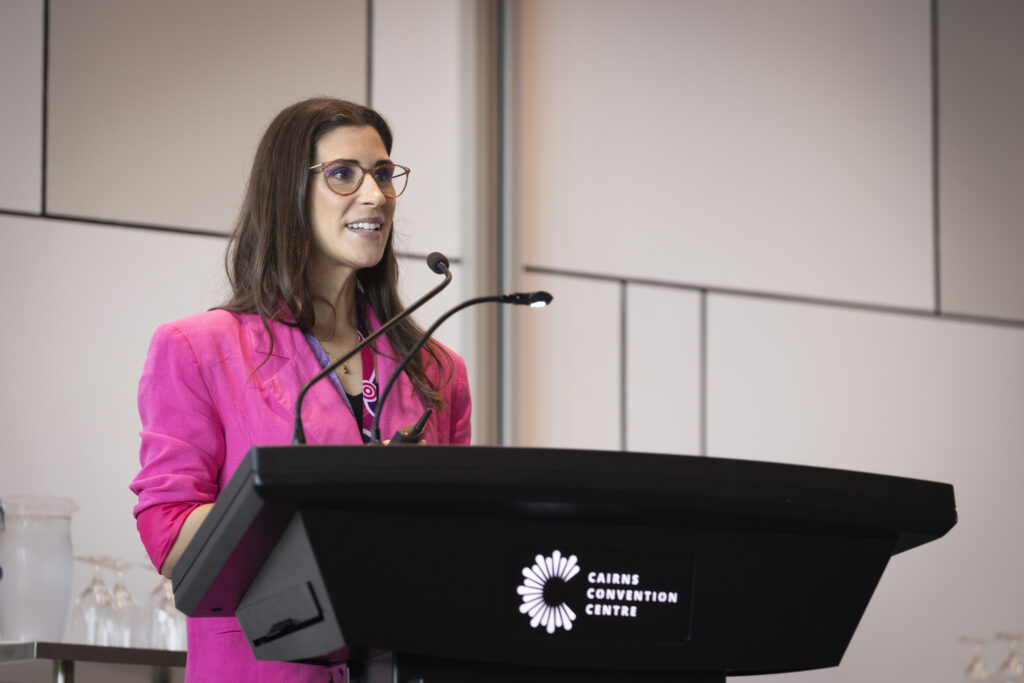
Marina Reeves is a Professor in the School of Public Health and Deputy Associate Dean of Research in the Faculty of Medicine at the University of Queensland. She is also an advanced accredited practicing dietician coordinating a research program that is focused on breast cancer epidemiology and the role of supportive care interventions in improving outcomes and quality of life for women diagnosed with breast cancer.

We spoke with Professor Reeves about the importance of optimizing care for metastatic breast cancer patients through diet and exercise.

Research focus: how exercise and diet can improve quality of life for breast cancer patients

“So metastatic breast cancer is when the cancer spreads outside of the local breast area, usually to distant parts of the body. For women with breast cancer, it’s often to the bones, or it could be the lungs, brain, liver, or other sites.”

“And so those women live with an incurable, but treatable, disease. And treatments have evolved over the last few years. So, it’s great that we’ve got some newer treatments. And those women are living for longer than they did in the past, which is wonderful. But they’re living for longer still with battling side effects and impacts on their quality of life.”

“And so, our research is really focused on how exercise and diet can help to improve their quality of life. Potentially they’re survival, but really focused on improving that quality of life.”

Listen to the Podcast

We spoke with Professor Reeves about the importance of optimizing care for metastatic breast cancer patients through diet and exercise.

Exercise benefits women with metastatic breast cancer both physically and emotionally

“We’ve got really good evidence on how exercise benefits women with early-stage breast cancer. Both evidence that shows that it’s likely associated with survival, but also helps to manage a range of side effects, so fatigue, but also helps to improve their mental wellbeing, as exercise does for everyone in the population.”

“In the metastatic setting, this evidence is just starting to slowly grow and so we’ve got some really good evidence now, through a new trial that’s just come out, on the benefits of exercise specifically for women around fatigue, quality of life, reducing pain, and improving sexual function.”

“So, lots of benefits that we can start to see in this population of women with metastatic breast cancer, which is great.”

What types of exercises are recommended for women with metastatic breast cancer?

“So, it’s really important that you start slowly, but often. So even if you’re not doing any exercise at the start, any exercise is going to be beneficial, but ultimately what we want women to be able to get to, similar to the general population, is increasing what we’d call vigorous physical activity or that aerobic cardiovascular physical activity, which could just be walking, but also trying to get them to increase their resistance exercise, so strength based exercise, because it’s really important.”

“And our particular interest is on maintaining that muscle mass and preventing what we know with age, but also with cancer and with treatments will decline.”

Diet and breast cancer

What role does diet play in managing metastatic breast cancer?

“So, women are bombarded with information, if a woman was diagnosed with either early-stage breast cancer or metastatic breast cancer and went to ‘doctor Google’, they will find a wealth of information, but not necessarily evidence based information. And so, we know this population is particularly prone to misinformation around diet.”

1. Maintain adequate protein intake

“And so, we know that dietary intake in addition to resistance exercise is really important in maintaining that muscle mass. And so, our primary recommendation to women is around maintaining adequate protein intake. We also know that some women, depending on the treatments that they’ve had, can get taste alterations. So, the taste of meat, or certain foods may not be the same as they were.”

“So, we really work on how to make sure that you’re still getting adequate protein intake within the foods that you’re eating.”

2. Prioritise muscle mass

“There’s no clear evidence at all on any single diet, any single food or anything that’s necessarily going to change the progress of metastatic breast cancer and improve or negatively impact survival.  Where our interest lies, given the really limited evidence we have, is knowing the role and how important muscle mass is.”

Support and resources for women with metastatic breast cancer

“This is an area that we’re particularly passionate about advocating for, because currently women with metastatic diagnosis, not just around diet and exercise, but generally tend to get a lot less support than what a woman with an early-stage diagnosis receives. And so, there’s a strong movement and need for there to be equitable access to that support.”

1. Need to improve access to resources and information through hospitals

“Currently, Breast Cancer Network Australia has resources and information available. Some hospitals may provide some tailored support for metastatic breast cancer, but very few of them offer exercise programs for that group of women. They’ll offer exercise programs for early stage, but very few will offer exercise programs specifically for metastatic women.”

2. Advocate for greater support for women with metastatic breast cancer

“And so, we’re trying to advocate and create the evidence to change that practice. We do know that women have access, if they go and see their GP, to get onto a chronic disease management plan. And that gives them Medicare reimbursed sessions to see an exercise physiologist or a dietician, but it’s limited in terms of the number of sessions that they can receive with that.”

“So, our goal is to try and change the way and the supports that are available to these women in the future.”

“So, my hopes for women with breast cancer, and my reason for focusing on this research is my mum who had metastatic breast cancer, and I saw the terrible time that she went through and the impacts of the treatment and the cancer on her quality of life.”

Professor Marina Reeves’ hope for the future

“And so, my goal is that no women have to suffer like my mum. Ideally, no women ever die from breast cancer again. And that would be the ideal, that no one ever gets breast cancer. But my goal is that we can create the supportive care intervention so that women can live and thrive with a metastatic breast cancer diagnosis.”

Breast cancer diet FAQs

What foods to eat?

Explore various foods that may help in reducing the risk of breast cancer or aid in managing it, including leafy green vegetables, cruciferous vegetables, allium vegetables, citrus fruits, berries, fatty fish, fermented foods, beans, herbs, spices, whole grains, and walnuts.

What foods to avoid

Explore the foods and beverages that individuals with breast cancer may consider limiting or avoiding, such as those containing soy, to potentially reduce risk or manage the condition.

Do you have a breast cancer diet guide for clinicians?

While we don’t have a specific diet guide, there are some key dietary considerations for breast cancer patients based on current research. Here are some general recommendations that clinicians and patients may find useful:

  • Focus on wholefoods: emphasise fruits, vegetables, wholegrains and legumes whiles aiming for a variety of colours and types to ensure a range of nutrients.
  • Healthy fats: encourage sources of healthy fats like olive oil, avocado, nuts, and fatty fish (like salmon), while limiting saturated and trans fats.
  • Lean proteins: suggest lean protein sources such as poulty, fish, beans, and plant-based proteins.
  • Limit processed foots: encourage reducing the intake of processed and sugary foods, as well as red and processed meats.
  • Keep up hydration: remind patients to stay well-hydreated, primarily with water.
  • Maintain a healthy weight: discuss the importance of maintaining a healthy weight, as obesity can be a risk factor for recurrence.
  • Limit alcohol consumption: suggest limiting alcohol intake, as it has been linked to an increased risk of breast cancer.

Is there any evidence that keto diet helps metastatic breast cancer?

The ketogenic (keto) diet, which is high in fats and low in carbohydrates, has gained attention in cancer research, including metastatic breast cancer.

While there is some preliminary interest in the keto diet’s potential benefits for breast cancer patients, more comprehensive research is necessary to determine its effectiveness and safety. It’s essential to approach dietary changes cautiously and with professional guidance.

Both the plant-based diet and the Mediterranean diet have been associated with potential benefits for cancer prevention and overall health:

  • A Plant-Based Diet: A plant-based diet focuses on consuming a variety of fruits, vegetables, whole grains, legumes, nuts, and seeds, providing a wealth of vitamins, minerals, and antioxidants. Research suggests that this diet may lower the risk of certain cancers, including breast cancer, by reducing inflammation, improving hormone levels, and promoting a healthy weight. High fiber intake from plant-based foods is linked to improved gut health and may further help lower cancer risk. Overall, a plant-based diet is often associated with lower body weight and reduced obesity risk, both of which are important factors in cancer prevention.
  • The Mediterranean Diet: The Mediterranean diet emphasises the consumption of fruits, vegetables, whole grains, fish, olive oil, and moderate wine intake, promoting heart health and well-being. Its anti-inflammatory properties may help reduce cancer risk by modulating inflammation and oxidative stress. Clinical studies indicate that adherence to a Mediterranean diet may be associated with lower breast cancer risk and improved survival rates among diagnosed individuals. This diet provides a balanced intake of healthy fats, lean proteins, and complex carbohydrates, supporting overall health.

Both diets are rich in nutrients and have been linked to various health benefits, including potential protective effects against breast cancer. They emphasise whole foods and healthy fats, which can be important for overall health and well-being.

Encouraging patients to adopt a balanced, nutrient-dense diet can be beneficial. As always, it’s essential for individuals to consult with their healthcare team before making significant dietary changes.

Support Us

Help us to change lives through breast cancer clinical trials research.

Donate to Breast Cancer Research.

Support Us

Help us to change lives through breast cancer clinical trials research

Latest Articles

choosing your path and navigating difficult treatment decisions
lotjpa yapaneyepuk (talk together): bridging communities and cancer research
split-banner-image

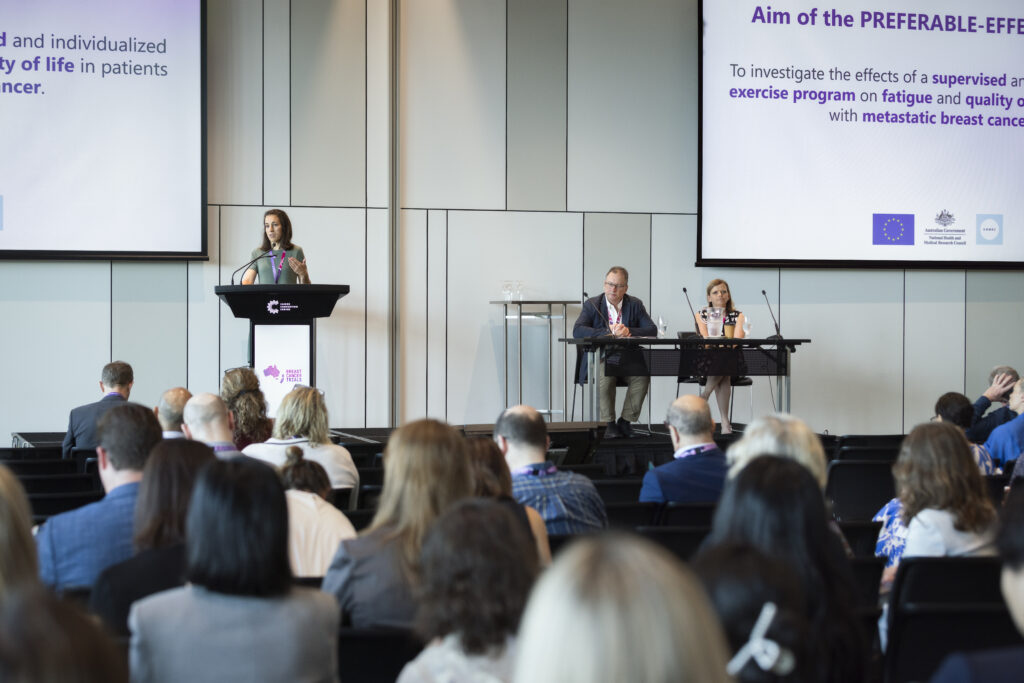
BENEFITS OF STRUCTURED EXERCISE FOR METASTATIC BREAST CANCER

We spoke to Dr Eva Zopf about the PREFERABLE-EFFECT Study and the role of structured exercise in metastatic breast cancer and quality of life outcomes. Find out more about exercise and breast cancer in the article below.

About Exercise Physiologist Dr Eva Zopf

Dr Eva Zopf is an exercise physiologist whose research interest focuses on the role of exercise as medicine for the management of cancer. Aside from developing, conducting and evaluating exercise intervention studies in cancer patients, Eva is also dedicated to improving the supportive care services available for cancer survivors.

We spoke with her about the PREFERABLE-EFFECT study and the role of structured exercise in metastatic breast cancer and quality of life outcomes.

What are the effects of exercise on fatigue and quality of life?

Background to the PREFERABLE-EFFECT Study

“So, we actually decided to run this trial because there’s been quite a lot of evidence around the beneficial effects of exercise in cancer patients. But most of the studies that have been conducted to date have looked at patients that have localised disease or have been treated with curative intent, and so there’s actually not a lot of evidence in patients who have metastatic disease.”

“So, the aim of this project was to look at the effects of exercise on fatigue and quality of life in patients with metastatic breast cancer. And the reason being that those patients often have ongoing treatment. They have a higher symptom burden generally than patients that have localized disease.”

“So, for those that finish their treatment in a localised setting their symptoms might subside after a few years. We do know that those that have ongoing treatment, the symptom burden will increase, or is more likely to increase over time, so we wanted to figure out if exercise is also beneficial and safe for those patients.”

Listen to the Podcast

We spoke to Dr Eva Zopf about the PREFERABLE-EFFECT study and the role of structured exercise in metastatic breast cancer and quality of life outcomes.

“What we did first of all, was divide the group, or the study participants up into two groups. So, we had one group that received breast cancer exercise advice and a physical activity tracker. The other group received that as well, but they also received a structured exercise program. So that consisted of two supervised exercise sessions for the first six months, and it was reduced to one supervised exercise session for the last three months.”

Exercising safely in structured exercise sessions resulted in:

1. Reduced fatigue

“The sessions included aerobic training, like riding on a bike or walking on a treadmill, and resistance training to improve muscle mass and also some balance training. And what we found is that the group that participated in the intervention study, so had that structured exercise program, they had higher quality of life outcomes than the participants in the control group, and they also had lower levels of fatigue.”

2. Lower pain levels and decreased shortness of breath

“So those were our two primary endpoints that we wanted to look at. We looked at a number of other outcomes, for example some of the symptoms that are quite common in patients with metastatic breast cancer like pain and dyspnoea. We also saw that the patients in the intervention group actually had lower pain levels throughout the entire intervention period of nine months and also lower levels of dyspnoea. Dyspnoea is shortness of breath, which is also quite commonly reported.”

3. Better sexual functioning

“In addition, we looked at some of the breast cancer specific symptoms or side effects like reduced sexual functioning and we saw that the intervention group also had better sexual functioning than the control group and the same applied to some of the endocrine sexual symptoms that some of the patients experienced from endocrine treatment.”

Breast cancer exercise recommendations

1. Aerobic training and vigorous activity

“So, we did a combined program so our exercise program consisted of aerobic training, which is more cardiorespiratory training, that improves blood circulation through your heart function. For example, that can be running, cycling, swimming, and so forth. We didn’t offer swimming, but just as an example of aerobic training.”

2. Resistance training and muscle-strengthening activity

“Resistance training, which is a type of weight training, which generally improves your muscle mass and balance training, which can also obviously improve balance, but we know with some patients who receive chemotherapy and when neuropathies are an issue, that can help in those terms as well.”

3. General exercise advice for breast cancer patients

“We compared that to our control group that just received exercise advice. So, the general advice for cancer patients is to be physically active for about 150 minutes per week. So, participants received an activity tracker. And given we saw better improvements or better quality of life and lower fatigue in the intervention group, we do feel like that just providing exercise advice might be enough.”

“But that really structured and supervised exercise program, where in our case it was two supervised sessions per week is really required to maximize the benefits that you can get from exercising.”

Recommendation: Supervised resistance and aerobic exercise for patients with metastatic breast cancer.

“Based on the results that we found from the trial, we would definitely recommend that supervised resistance and aerobic exercise is offered to patients with metastatic breast cancer as a supportive care strategy.”

Additional benefit: decreased health care costs

“We did also did a cost effectiveness analysis to see whether it was cost effective. And so, we looked in both groups how often patients saw their GP or used other services such as how often they went to the hospital or required any other care. And we did see that those that took part in the structured exercise intervention also had lower health care costs. And so, we do think there’s a benefit of getting more support or exercise integrated as a routine component of cancer care.”

“I think there is still a little bit of a way to go to provide those services to all. But we definitely think, if possible, try to find an exercise physiologist who has experience working with cancer patients to just get support in what exercise you can be doing and to get an exercise program prescribed to you to then hopefully follow through and experience some of the benefits that the patients on our trial did.”

What are your hopes for the future of breast cancer research?

1. Improved exercise support for cancer patients

“So, for me, the reason I get out of bed every morning is to really improve the exercise support that cancer patients in general receive, whether that’s breast cancer or another cancer.”

2. Integrate exercise as a standard component of cancer care

“I think in Australia, the opportunities to see an exercise physiologist or get those rebated services are quite low. So that would be a first step to hopefully maybe increase those sessions or those consultations that you can get. But in general, I think we definitely need to find a way to integrate exercise as a standard component of cancer care.”

“And if we look at other countries, for example Germany, where I’m from, we have an oncological rehab program, similar to cardiac rehab here and that’s subsidized by the health insurance companies and that means exercise becomes more accessible.”

3. Remote access to exercise programs for breast cancer patients

“We’ve just started a new international trial, where we’re looking at Zoom-based exercise sessions, so providing a telehealth or live remote training for 12-weeks, so that we can offer the exercise program to patients that live more remotely and can’t access an exercise physiologist, and we want to see whether that’s just as effective as in person supervision.”

“And again, that the aim of that is to make exercise more accessible. At some stage, my hope is that every patient that’s diagnosed with cancer has access to exercise support.”

The Benefit of Complementary Therapies

If you liked this podcast, find out more about how a balanced diet can also be a complementary therapy to enhance wellness for those affected by metastatic breast cancer in our podcast: Optimising care for metastatic breast cancer patients through exercise and diet.

Support Us

Help us to change lives through breast cancer clinical trials research.

Donate to Breast Cancer Research.

Support Us

Help us to change lives through breast cancer clinical trials research
Latest Articles

choosing your path and navigating difficult treatment decisions
lotjpa yapaneyepuk (talk together): bridging communities and cancer research
split-banner-image

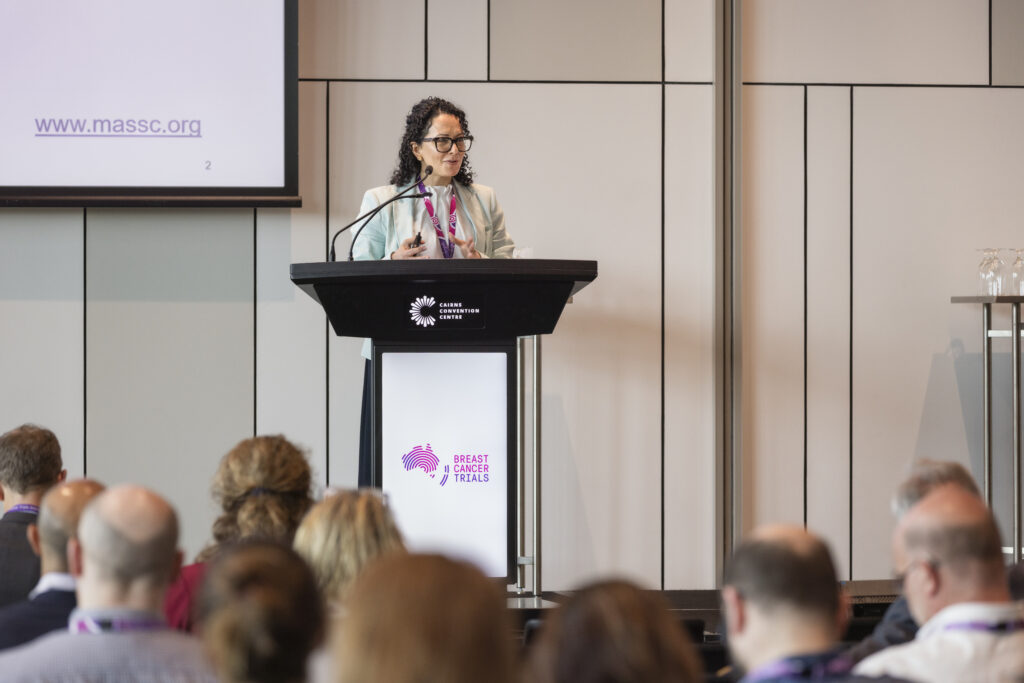
CHALLENGES IN VERY EARLY BREAST CANCER WITH PROFESSOR BRUCE MANN

We spoke to Professor Bruce Mann about some of the key challenges in diagnosing very early breast cancer. Find out more in the article below.

Professor Bruce Mann is the Director of Research at Breast Cancer Trials, Professor of Surgery at the University of Melbourne and Director of the Breast Tumour Stream at the Victorian Comprehensive Cancer Centre.

His research interests focus on tailored screening and treatment for early breast cancer, and we spoke to him about some of the key challenges in diagnosing very early breast cancer.

“Very early breast cancer is interesting. What we know is that if breast cancer is diagnosed when it’s stage 1, so that’s when the cancer is less than 2cm in size and has not spread to the lymph nodes, the likelihood that that person will die from breast cancer is really small.”

“And the amount of treatment that’s needed is relatively small. This is an area that many people consider to be sorted because we have good treatments, and with existing treatments the results are extremely good. So, people would say, well, what’s the problem?”

“I see that it has become a challenge because why would you do research into an area that’s already sorted?”

“In addition, there’s quite a lot of controversy or there’s a lot of conversation around the issue of over diagnosis. The concept of over diagnosis, it is important, it is the diagnosis of a condition that, if undiagnosed, would never have become clinically significant in that person’s lifetime.  And if you’ve got such a condition, then side effects of any treatment are actually a harm to the individual. That is they would be better off not diagnosed.”

“And so, some people suggest that we’ve got to that point with breast screening, that a lot of the things that are diagnosed should never have been diagnosed, and therefore there’s an ambivalence around screening, and the truth is there’s not that much research going into it.”

“My view and what I’ll be talking about in the conference is that this is an area where there is an enormous potential for us to improve breast cancer outcomes. And there’s two aspects to it. One that I won’t be talking about a lot on but is very much the focus of the session in the conference, is the possibility or the importance of moving away from current screening, which is all women 50 to 74 who are invited to have a standard mammogram every two years.”

“That’s what we’ve been doing since 1993. It’s what we’re still doing. There is, in my view, enormous potential to improve that by moving towards risk adjusted screening, which would mean that individuals would be assessed, and each woman’s individual risk would be determined.”

“And depending on the risk and on other things such as mammographic density, a more personalized screening program would be implemented. And we think that by doing that, we could have something that’s more effective.”

“So, we would find more cancers early, and it’s likely to be cost effective because by finding cancers earlier, treatment would not only be more effective but should be less expensive. So that’s one of the aspects that I would see as the challenges in very early breast cancer. It’s about finding more cancers and diagnosing more cancers at this very early stage.”

Listen to the Podcast

We spoke to Professor Bruce Mann about some of the key challenges in diagnosing very early breast cancer.

“The other aspect to it is the idea of optimizing treatment or de-intensifying treatment. The current treatments are very effective, but all treatments have side effects. Surgery has side effects, radiation has side effects, chemotherapy has side effects, and the hormonal therapies certainly have side effects.”

“Many women who have been diagnosed with breast cancer identify those side effects of treatments as quite severe and would like to be able to safely reduce them. Our current approach is that in my view we haven’t done enough research into that. And so, when we have a patient with one of these very early breast cancers, we say that here is the treatment we recommend and we recommend it not because we know that it’s needed, but we don’t know that it can be safely omitted.”

“And so most people would say, well, look, it’s important that the cancer doesn’t come back. So, if you don’t know that we can safely avoid that treatment, I will take it. And that is how things are. One of the things that we’ve done here is a number of trials in this area.”

“But one of the important ones is our PROSPECT trial, where we used MRI scans after diagnosis in someone with an apparently isolated low risk cancer, to look for other areas of cancer. And those women who had a clear MRI and had no additional cancers, and the cancer itself was low risk, were treated without radiation.”

“The results, we analyzed it a couple of years ago, and what we found is that in 440 women who had the MRI, we found additional areas of cancer in 11%. And they were all treated appropriately. In 201 women who met all the criteria, who were treated without radiation, there was only a single local recurrence at the five-year mark.”

“It was a 1% local recurrence rate, which is less than we hoped for, actually. We were surprised how good it was. But even more surprising, of all 440 women who had the MRI, we found those additional cancers and treated them. Not a single one of those patients has had the original cancer recur around the body.”

“There have been no distant recurrences. And that raises the possibility that perhaps this may be the way that we can find a group of women who could safely avoid, particularly the hormonal blocking tablets.”

“It’s still a hypothesis. We have a follow up study known as PROSPECTIVE, and part of the main aspect of PROSPECTIVE will be to confirm that we can safely omit radiation, but an additional arm will be to investigate whether we could safely reduce the amount of hormone blocking tablets, because if we could do that, it would truly be a big change in the way that breast cancer is considered.”

“It’s a number of years before we do it, but the PROSPECTIVE trial should open later this year and, that’s something that I’ll be talking about in my presentation at the conference on Thursday.”

How important is interdisciplinary collaboraton in treating patients with very early breast cancer?

“The interdisciplinary collaboration is absolutely critical. In PROSPECT, the key disciplines have been the radiologists who generally diagnose the cancers through screening and do the MRIs, the surgeons who do the surgery, the pathologists, and then the radiation oncologists, who assess the situation and confirm that this is a situation where omission of radiation is reasonable.”

“That will be really important going forward for our new study, particularly as radiation oncology has changed and we have new approaches using shorter treatment courses, so that will be important. Other groups who are important include the psychologists. One of the reasons for doing this is that we believe that there will be less psychological impact on patients who are assessed in this way and treated in this way.”

“We’ve been working with Associate Professor Lesley Stafford, who is a clinical psychologist,  and her team to do work initially on PROSPECT, but certainly on PROSPECTIVE. And then when we move to the question of reducing the amount of endocrine therapy, the contribution of the medical oncologist will be critical as well.”

“I think the biggest barrier is that participation in breast screening is unfortunately too low. Numbers from BreastScreen Australia suggest that only about 52 or 53% of Australian women are having screening mammograms as suggested. The large majority of these very early cancers are diagnosed through screening.”

What are some of the barriers of challenges that exist in ensuring patients are receiving timely care for their breast cancer?

“So, if someone doesn’t have screening and she’s destined to develop a cancer, it is much more likely that her cancer will be more advanced. If someone has a higher stage of cancer, so a stage two or stage three cancer, the treatments are clearly essential to give her the best chance of survival.”

“My hope for the future of breast cancer care is that we get to a situation where the vast majority of patients who develop breast cancer are diagnosed at stage one or maybe stage two, really before the cancer has spread to the lymph nodes, so that we can use our effective treatments and fully expect that the cancer will not come back.”

“If we can do that, then there will always be a group who present at a later stage, and we will have the capacity and the resources to give those women the very best care that’s available.”

Support Us

Help us to change lives through breast cancer clinical trials research
Latest Articles

choosing your path and navigating difficult treatment decisions
lotjpa yapaneyepuk (talk together): bridging communities and cancer research
split-banner-image

A MEDICAL ONCOLOGIST AND RADIATION ONCOLOGIST DISCUSS OLIGOMETASTATIC BREAST CANCER

We spoke to Professor Prue Francis and Associate Professor Steven David about oligometastatic breast cancer, and the current standard treatment approaches for this disease.

Professor Prue Francis is the Clinical Head of Breast Medical Oncology at the Peter MacCallum Cancer Centre and a Consultant Medical Oncologist at St Vincent’s Hospital in Melbourne. She Chaired the International Steering Committee responsible for the SOFT and TEXT clinical trials, that have led to practice changes practice in the management of young women with hormone receptor positive early breast cancer.

Associate Professor Steven David is an experienced Radiation Oncologist at the Peter MacCallum Cancer Centre, bringing a strong interest in implementing cutting edge radiation technology to provide his patients with the highest level of care.

We spoke to Prue and Steven about oligometastatic breast cancer from the perspectives of a Medical Oncologist and a Radiation Oncologist, and the current standard treatment approaches for this disease.

Oligometastatic breast cancer is a term used to describe a specific situation in breast cancer. When breast cancer spreads beyond the original tumor, it’s called metastasis. Most metastatic breast cancer involves multiple spread-out tumors in various places.

However, in oligometastatic breast cancer, the cancer has spread but only to a limited number of places—typically, just a few distant spots like the bones, liver, or lungs. It’s different from more widespread metastasis because the cancer is not as scattered or extensive.

In simpler terms, if you think of metastatic breast cancer as a large network of many new tumor spots, oligometastatic breast cancer is like having just a few new spots. This smaller number of metastases can sometimes make it easier to treat and manage, often with a combination of local treatments (like surgery or radiation) and systemic treatments (like hormone therapy or chemotherapy).

The goal with oligometastatic breast cancer is often to control or reduce the spread and potentially extend the time before the cancer progresses further.

“So, traditionally we think of breast cancer as either being an early stage breast cancer, where the cancer is confined to the breast or the breast and the regional or the nearby lymph nodes, and then we talk about metastatic breast cancer where actually there is a spread of the breast cancer to a place that is distant from the breast and the nearby lymph nodes, for example the bone, the lung or the liver,” Prue said.

“Now, oligometastatic breast cancer has some similarities to metastatic breast cancer in that there are metastases that are distant from the breast and the nearby lymph nodes, but there is a limited number of metastases, so typically with oligometastatic breast cancer there’s a maximum of up to five metastases, so it’s a small number of metastases.”

What are some of the current standard treatment approaches for oligometastatic breast cancer?

“Well, typically, oligometastatic breast cancer would be treated more like metastatic breast cancer, and if there are a very limited number of distant metastases, for example, some patients might have only one distant metastasis, the question that arises is: could that patient actually be treated perhaps more like early breast cancer, but with some additional technique to try and eradicate that problem site, that single site of distant metastasis?”

“And so that’s why we try to think more carefully about this situation. We lack evidence for that sort of approach, but this is something that we think about, and we want to study,” she said.

Listen to the Podcast

We spoke to Prue and Steven about oligometastatic breast cancer from the perspectives of a Medical Oncologist and a Radiation Oncologist, and the current standard treatment approaches for this disease.

What are some of the primary goals of radiation therapy when treating oligometastatic breast cancer?

“So, radiation therapy in the last 10 years has developed a new technique or a new modality of delivering radiation and it’s due to technology, and that technique or technology is called stereotactic radiation,” said Steven.

“It can be delivered to any part of the body and it’s different from any other type of radiation in that it can be delivered like a laser beam, very accurately, very quickly, and with almost none or very few side effects to anything around where you’re aiming it at.”

“And so immediately what people have thought about in oligometastatic breast cancer is why don’t we use that technique to eliminate the oligometastases or destroy them? We can do that very quickly in maybe 10 or 15 minutes with one or two treatments, with excellent long-term outcomes in terms of killing off the cancer in that spine,” he said.

“The question arises, is that a good idea? It’s certainly very attractive to patients, you know, if I’ve got a spot in the bone can you just get rid of it in 10 minutes? Well it sounds very attractive, but is it a good idea? And that’s where a lot of the research at the moment is centered around whether that is a good idea or not.”

How do you determine if a patient with breast cancer is suitable for radiation therapy?

“So, in the oligometastatic setting as technology has gotten better, we can distribute it more broadly, and in more situations. But there are some scenarios where you can’t do it. For example, if a metastasis is right near something that is very critical such as the spinal cord, it’s almost impossible to kill that deposit without also killing the spinal cord, and then it would be disastrous for a patient,” he said.

“So, location, number of metastases, size of metastases, and also if the patient’s had previous radiation, let’s say for a breast cancer, and then an oligometastases is nearby, it makes it very challenging because you’re overlapping with treatment you’ve given in the past. And so those are the sorts of factors we look at and think about.”

“When we decide if someone’s safe for oligometastatic treatment. One of the earlier studies that was done in oligometastatic breast cancer was looking at patients with a few different types of malignancies. There was lung cancer, there might have been prostate cancer, breast cancer, different types of malignancies, but all with a small number of metastatic sites.”

“And this trial was trying to look at if those patients had their disease otherwise controlled by a drug therapy that they’d started on, if they could try to deliver a dose of either radiation or perhaps surgery to a site, could you actually give them a better outcome by eradicating those local tumours, and just focusing on those distant metastases?”

“And that trial suggested that there was a survival advantage. It was not a very large trial, but it suggested that there was a survival advantage. But the number of breast cancer patients in the trial was relatively small. It wasn’t only a trial looking at breast cancer.”

“Then more recently, there’s been a trial that was trying to address this question again, but in a specific breast cancer population. And again, thinking about whether trying to eradicate those small number of sites of distant metastases could lead to a better outcome in terms of survival. And, in fact, that follow up trial actually did not show a benefit in overall survival.”

“So, I think we’re in a situation where we know we can deliver local radiation to these sites and potentially get some control of those sites, but whether that actually ultimately impacts the patient’s overall journey with metastatic breast cancer and their survival has not actually been clearly shown in breast cancer.”

“So, we really need more information to say that we should be doing this, really to routinely offer this. So, it remains really something that needs to be proven for breast cancer.”

In what ways does personalised medicine play a role in treating oligometastatic breast cancer?

“It’s a good question and I think I can answer it with starting with examples of two different sorts of patients. So, for example, there might be a patient who had breast cancer 15 years ago and had it treated successfully. And then 15 years later, they develop one bone metastasis. That patient has oligometastatic disease. A similar patient, in my case, has oligometastatic disease, and turns up with three bone metastases on the same day that they’re diagnosed with their primary, and that’s part one,” said Steven.

“And part two is, there are patients with different subtypes of breast cancer. We talked about HER2-positive, there’s triple negative, and there’s other types. So, these trials generally group all those patients together and call them all oligometastatic patients, and we now know that there’s different types of oligometastatic disease, and so I think whenever you start research you group everyone together and try and find a bit of an answer to a global question because it’s very hard to recruit very narrow groups of patients.”

“But I think where we’re heading now is really looking at subtype specific patients and researching them differently because we do believe that it’s possible there might be very different answers for those different patients. So that’s the subject of ongoing research and investigation,” he said.

“I guess there’s one type of patient group with very limited metastatic disease that probably people would agree requires a standard of care to try to eradicate that disease and that’s with a central nervous system metastasis (CNS), where it would be considered a standard of care to try to either surgically and or radiate that limited metastatic burden. That would be considered a standard of care.”

What are your hopes for the future?

“Well, in the oligometastatic setting the attractive thing is that it has never been thought that you could cure metastatic disease, and really that’s something across all of cancer. So, it’s a bit of a prior golden egg, a prize really, patients would love it and doctors obviously would love it if we could cure stage four disease,” said Steven.

“And I’ve seen Prue give a talk on that topic, on HER2-positive breast cancers, and she thinks they will be cured sometime soon. And perhaps radiation stereotactic to small deposits may be part of that story. And I think that would be a fantastic thing to talk about and to be able to say to patients, we’re going to cure you, even though it’s spread beyond the breast. And there’s every chance that’ll be in our lifetime, I think,” he said.

“I think in the area of oligometastatic disease, we have a few new tools in our kit bag from a drug therapy point of view that haven’t previously been tested formally in patients with oligometastatic disease. They’re things that we now would use in a higher risk, early-stage breast cancer patients,” said Prue.

“For example, a PARP inhibitor in a patient with a BRCA mutation or a CDK4/6 inhibitor in a patient with ER-positive HER2-negative high-risk disease, or perhaps immunotherapy in a high-risk triple negative breast cancer patient.”

“So, the question is, if we were to apply these types of therapies in the context of the overall treatment paradigm for a patient with an oligometastatic disease with those specific features, could that translate into any difference in a patient with a very limited number of metastases? Could that translate into any cures? Because at this stage we don’t have good information on how that would work with those newer therapies,” she said.

Our life-saving breast cancer research is only possible thanks to the continued generosity of our supporters. Please help continue this vital work by making a donation today.  

Support Us

Help us to change lives through breast cancer clinical trials research

Latest Articles

choosing your path and navigating difficult treatment decisions
lotjpa yapaneyepuk (talk together): bridging communities and cancer research
split-banner-image

BREAST CANCER AND HEART DISEASE

Explore how breast cancer treatments can impact heart health, from chemotherapy risks to radiation effects. Learn vital heart care tips for survivors.

Breast Cancer and Heart Disease: Understanding the Link

Breast cancer treatment has dramatically improved outcomes for patients, yet it also poses significant long-term health considerations, particularly cardiovascular implications. Understanding the intricate relationship between breast cancer treatments and cardiovascular disease (CVD) is crucial for optimising patient care and survivorship.

Cardiovascular disease (CVD) encompasses a range of conditions affecting the heart and blood vessels. In Australia in 2022, an estimated 1.3 million Australians aged 18 and over (6.7% of the adult population) were living with one or more conditions related to heart, stroke and vascular disease, based on self-reported data from the Australian Bureau of Statistics (ABS) 2022 National Health Survey. This includes 600,000 adults (3.0%) who reported having coronary heart disease (including angina and heart attack).

Can Breast Cancer Affect Your Heart

Women diagnosed with breast cancer have a higher risk of developing cardiovascular complications, such as heart failure, heart attacks, and hypertension. There are several factors that contribute to this:

  • Treatment Effects: Some treatments for breast cancer, such as certain chemotherapy drugs and radiation therapy, can have adverse effects on the heart and blood vessels. This is known as cardiotoxicity – damage or dysfunction of the heart muscle caused by medications or treatments. Recognising the signs of cardiotoxicity is crucial for early intervention and management. Symptoms may include shortness of breath, chest pain or discomfort, fatigue, swelling and irregular heartbeat.
  • Shared Risk Factors: Breast cancer and cardiovascular disease share common risk factors, including obesity, smoking, physical inactivity and poor diet. Addressing these risk factors through lifestyle modifications can reduce the risk of both diseases.
  • Hormonal Factors: Estrogen, a hormone that plays a key role in breast cancer development, may also affect the cardiovascular system. Women who undergo hormonal therapy for breast cancer may experience changes in their cholesterol levels and blood pressure, which can contribute to cardiovascular complications.

Cardiotoxicity

Cardiotoxicity refers to cancer treatment-related damage to the heart muscle (which in some circumstances can be reversed). Cardiomyopathy is a broader term for disease of the heart muscle that can be caused by cardiotoxic treatments as well as other diseases (such as ischaemic heart disease).

In cardiomyopathy, there is a structural change to the heart muscle, which is usually permanent, that affects its ability to pump blood effectively. In severe cases cancer treatment can cause heart failure (a condition where the heart muscle is unable to pump blood efficiently enough to meet the body’s needs) or patient death.

There has been significant improvement in cancer patients’ outcomes over time. In Australia, there is currently a 70% chance of surviving at least 5 years after a cancer diagnosis. However, whilst living longer because of improved cancer care, cancer patients are increasingly developing CVD due to complications of their cancer treatments. Cancer survivors have up to an 8-fold increased risk of developing CVD, and up to 25% of cancer survivors die from CVD that develops within 7 years of their cancer diagnosis, making it the leading cause of death in cancer survivors.

Chemotherapy-Induced Cardiotoxicity

The two main classes of breast cancer treatments that cause cardiotoxicity are anthracycline chemotherapy and targeted therapies. Anthracyclines, such as doxorubicin and epirubicin, can cause dose-dependent damage to the heart muscle via the generation of free radicals and oxidative stress. Targeted therapies including HER2 inhibitors, such as trastuzumab, can also affect the heart by interfering with signalling pathways preventing the heart from functioning normally.

Patient and treatment factors can increase the risk of cardiotoxicity. Patient factors such as age, obesity, hypertension, diabetes and pre-existing CVD can increase a patient’s risk. Treatment factors include the cumulative dosage of certain drugs, and particular treatment combinations (whether this be the combination of specific drugs, or certain drugs in combination with other treatments such as radiotherapy).

Radiation-Induced Cardiotoxicity

Radiation can cause cardiotoxicity primarily due to its impact on the heart tissue and the blood vessels that supply it. This can include:

  • Direct Damage to Heart Tissue: High doses of radiation can damage the heart muscle directly. This damage can impair the heart’s ability to contract properly, leading to decreased cardiac function.
  • Inflammation: Radiation can trigger an inflammatory response in the heart. This inflammation can cause damage to the cardiac cells and tissues, potentially leading to fibrosis (scarring) and reduced heart function.
  • Vascular Damage: Radiation can cause fibrosis and damage to the coronary arteries and other blood vessels. This damage can lead to reduced blood flow to the heart muscle, increasing the risk of insufficient blood supply and heart attacks.
  • Altered Cardiac Function: Over time, the effects of radiation-induced damage can alter the normal function of the heart, leading to conditions such as heart failure, arrhythmias (irregular heartbeats), or other forms of cardiac dysfunction.

The overall effect of radiation damage to the heart and blood vessels can increase the risk of developing cardiovascular diseases later in life. This is particularly a concern for individuals who have received radiation therapy for cancer treatment.

These effects can vary depending on the dose of radiation, the duration of exposure, and the specific area of the body that was irradiated. The risk of cardiotoxicity is higher with higher doses of radiation and with treatments that involve radiation to the chest area

It is also important to note that the radiation doesn’t travel very far from the treatment area. So it is usually safe to be with other people. However, as a precaution you will need to avoid very close contact with children and pregnant women for some time. Your treatment team will give you specific advice about this. If you have any concerns about your personal medical treatment, we recommend discussing these with your treating team or GP.

Monitoring and Management

Cardiovascular complications can often display as fatigue, shortness of breath, decreased exercise tolerance, chest pain, palpitations, lightheadedness, headache, swelling or sudden weight gain.

Most side effects of cancer treatment show up in the first 12 months after treatment. Patients are encouraged to report any new or persistent symptoms to their healthcare team for comprehensive assessment and management.

Cardiovascular monitoring before, during and after breast cancer treatment can help detect cardiovascular complications early. This can include assessments of cardiac function through echocardiograms, and use of blood tests to identify early signs of cardiotoxicity. Treatment strategies may include drug adjustments, lifestyle modifications, and cardiac rehabilitation programs.

Unfortunately, despite identification and treatment, some cardiovascular complications of cancer treatment can be permanent, so ensuring patients are aware of potential cardiovascular complications of their cancer treatment allows them to be involved in their cardiovascular health monitoring and treatment.

Long-term survivorship care of breast cancer patients should include tailored strategies to reduce any cardiovascular risks. Lifestyle modifications, including smoking cessation, adoption of a heart-healthy diet, regular physical activity, and stress management play pivotal roles in promoting cardiovascular health post-treatment. Support groups and survivorship programs offer valuable resources and emotional support throughout the recovery journey.

Preventative Strategies

Unfortunately, there is no way to directly prevent cardiotoxicity, however there are steps you can take which may reduce your likelihood of cardiovascular risk, including:

  • Controlling blood pressure
  • Lowering cholesterol
  • Maintaining a healthy blood glucose level
  • Consuming a healthy diet
  • Not smoking
  • Engaging in moderate aerobic exercise

It’s important to discuss the potential health risks and benefits of treatments with your provider if you’ve been diagnosed with cancer. Undergoing frequent heart imaging throughout your cancer treatment may increase your chances of diagnosing cardiotoxicity in its early stages.

Learn More About Breast Cancer and Heart Disease in Our Online Q&A

In our recent Q&A event, moderated by Author and Journalist, Annabel Crabb, our panel of experts explored the topic of breast cancer and heart health; the nature, prevalence and management of cardiotoxicity and cardiovascular disease after breast cancer; strategies for prevention; a multidisciplinary team approach to risk management including the role of GP’s and cardiologists; and self-management strategies to reduce cardiovascular risk.

We also heard a patient’s perspective on the long-term impact that breast cancer treatment had on her heart.

Get Support

The relationship between breast cancer and heart health underscores the importance of comprehensive care for breast cancer patients. By better understanding this connection, health professionals and patients can take proactive steps to mitigate risk factors and monitor cardiac health, and individuals can optimize their long-term health outcomes and quality of life.

Supporting someone going through cardiotoxicity involves both practical and emotional support. Here are some ways to offer meaningful help:

Practical Support

  • Medical Appointments: Help them keep track of medical appointments and treatment schedules. Offer to accompany them to appointments if they’d like.
  • Medication Management: Assist with organising medications, keeping track of doses, and ensuring they take their medications as prescribed.
  • Monitoring Symptoms: Help them monitor and document symptoms such as shortness of breath, swelling, or fatigue. This can be useful for healthcare providers.
  • Diet and Lifestyle: Encourage and help them maintain a heart-healthy diet and lifestyle. This might include preparing nutritious meals or helping with exercise routines that are approved by their healthcare provider.
  • Emergency Preparedness: Ensure they have a plan for emergencies, including knowing when to seek immediate medical help if symptoms worsen.

Emotional Support

  • Listen and Validate: Be a compassionate listener. Acknowledge their feelings and concerns without judgment.
  • Encourage Open Communication: Support them in discussing their condition with their healthcare team and asking questions about their treatment and prognosis.
  • Provide Reassurance: Offer reassurance and encouragement. Remind them that their healthcare team is there to help and that treatment plans are designed to manage and mitigate risks.
  • Create a Supportive Environment: Help create a calm and supportive environment at home. This could involve managing stressors and providing a comforting presence.
  • Encourage Social Interaction: Encourage them to stay connected with friends and family, as social support can be very beneficial for mental and emotional well-being.
  • Educate Yourself: Learn about cardiotoxicity and its management so you can better understand what they are going through and how to offer relevant support.

Professional Support

  • Counseling and Therapy: Encourage them to seek counseling or therapy if they are struggling emotionally. Professional support can be crucial in managing the psychological impact of dealing with a chronic condition.
  • Support Groups: Help them find and connect with support groups for individuals dealing with cardiotoxicity or similar health issues. Sharing experiences with others who understand their situation can be very comforting.
  • Healthcare Coordination: Assist in coordinating care among their various healthcare providers to ensure they are receiving comprehensive and cohesive treatment.

FAQs

Can Breast Cancer Cause High Blood Pressure?

Breast cancer and high blood pressure (hypertension) are not directly related. However, several factors related to breast cancer and its treatment can contribute to elevated blood pressure:

  • Cancer Treatments: including chemotherapy, hormone therapy and targeted therapies.
  • Medication Side Effects: steroids used to manage side effects of cancer treatments or to treat inflammation can lead to higher blood pressure.
  • Stress and Anxiety: the stress and anxiety associated with a cancer diagnosis and treatment can contribute to elevated blood pressure. Chronic stress can impact cardiovascular health and increase hypertension risk.
  • Underlying Health Conditions: individuals with pre-existing conditions like pre-hypertension or heart disease may experience worsening of these conditions due to cancer treatments or stress.

Can Radiation for Breast Cancer Cause High Blood Pressure?

Radiation therapy for breast cancer is not commonly known to directly cause high blood pressure (hypertension). However, several indirect factors related to radiation therapy and its impact on the body can contribute to elevated blood pressure:

  • Impact on Heart: radiation to the chest area can cause damage to the heart and blood vessels. This damage can lead to increased risk of cardiovascular diseases, including hypertension.
  • Inflammation: radiation can induce an inflammatory response, which might affect the cardiovascular system and contribute to hypertension.
  • Secondary Effects: during and after treatment, patients might have changes in their lifestyle, such as reduced physical activity or dietary changes, which could affect blood pressure.
  • Medication Interactions: while radiation itself is less likely to cause high blood pressure directly, some medications used in combination with radiation therapy might influence blood pressure.

Can Breast Cancer Cause Heart Palpitations?

Anxiety, depression, sleep disturbance, fatigue, cognitive dysfunction, and pain are common symptoms reported by patients with breast cancer. Recent evidence published in the European Journal of Oncology Nursing, suggests that palpitations, a feeling of the heart racing or pounding, may be equally common for breast cancer patients.

If you have heart palpitations with severe shortness of breath, chest pain or fainting, seek emergency medical attention. If your palpitations are brief and there are no other concerning signs or symptoms, make an appointment to see your healthcare provider.

Can Breast Cancer Cause Chest Pain?

Secondary breast cancer means that a cancer that began in the breast has spread to another part of the body. It is also called advanced or metastatic breast cancer.

The symptoms you have depend on where the cancer has spread to. The symptoms listed here can also be caused by other medical conditions so might not be a sign that the cancer has spread, however, you may have any of these symptoms if your cancer has spread into the lungs:

  • a cough that doesn’t go away
  • shortness of breath
  • ongoing chest infections
  • chest pain
  • coughing up blood
  • a buildup of fluid between the chest wall and the lung

It is important that if you experience chest pain and breast cancer, or any of the above symptoms throughout your breast cancer treatment you discuss these with your treatment team.

Improving Cardiovascular Care

There are many ways to improve the cardiovascular care, and hence outcomes and quality of life of breast cancer patients. This includes:

  • Baseline cardiovascular assessments of cancer patients and consideration of this risk in cancer treatment recommendations
  • Proactive monitoring of cancer patients to detect cardiovascular complications of cancer treatments early
  • Multidisciplinary care between oncologists, cardiologists and general practitioners to manage cardiovascular risk and any established cardiovascular disease
  • Increased research into occurrence and treatment of cardiovascular complications of cancer treatments

Support Us

Help us to change lives through breast cancer clinical trials research
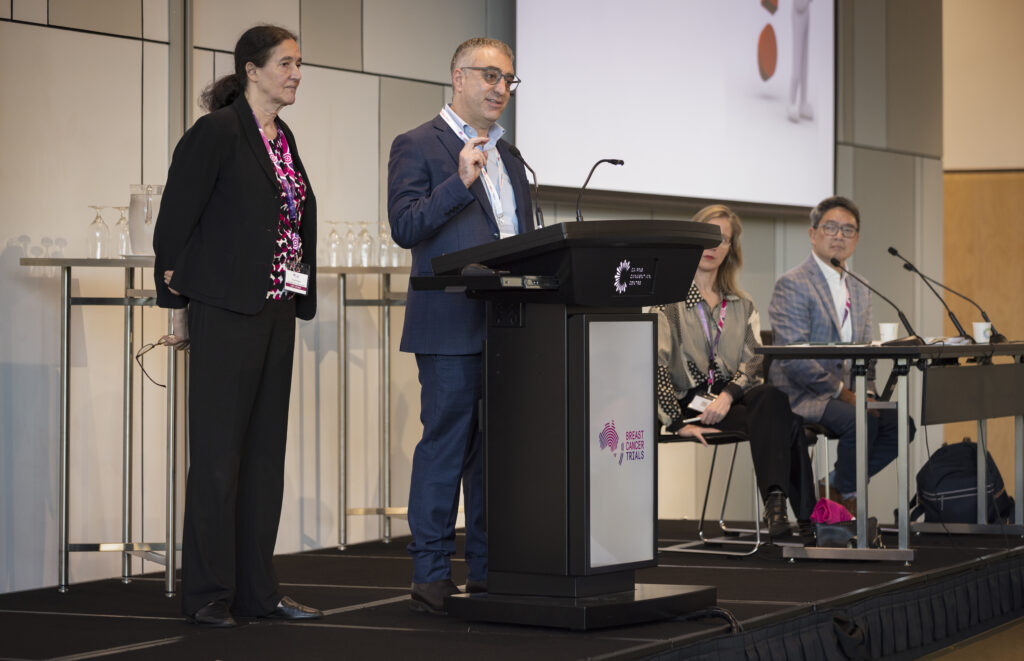
Latest Articles

choosing your path and navigating difficult treatment decisions
lotjpa yapaneyepuk (talk together): bridging communities and cancer research

THE OLIO CLINICAL TRIAL WITH STUDY CHAIR DR STEPHEN LUEN

Dr Stephen Luen is the study chair of the OLIO clinical trial and we spoke to him about the aim of this research, how it might improve patient outcomes, and his hopes for the future of breast cancer research.

Breast Cancer Trials is dedicated to finding new and better treatments and prevention strategies for people affected by breast cancer. OLIO is an immunotherapy clinical trial which is examining whether the addition of a Olaparib to standard chemotherapy with or without durvalumab will improve outcomes for young premenopausal women with high-risk early breast cancer.

Dr Stephen Luen is the study chair of the OLIO clinical trial and we spoke to him about the aim of this research, how it might improve patient outcomes, and his hopes for the future of breast cancer research.

“So, recently we published some data looking at a very young women with hormone receptor positive breast cancer to try to understand what features in their breast cancers might give clues as to why their cancers may be more aggressive or have a higher chance of recurrence. And based on those findings, we’ve proceeded with a trial concept to try to add in targeted therapies for a subgroup of these tumors to improve their outcome.”

What is the aim of the OLIO clinical trial?

“So, we know that in hormone receptor positive breast cancer in young women, that they can have an elevated risk of recurrence, up to two to three times that of older patients. And the aim here is to target particular features of the tumor, and in this case, that’s called homologous recombination deficiency, with treatments that are dedicated to targeting those pathways to improve the chance that when we do an operation there is no tumor left over, but also to improve the outcomes in terms of the chance of cure to prevent recurrence.”

“So the aim of this trial is to develop the optimal treatment pathway for these patients to improve their chance of cure.”

Listen to the Podcast

Dr Stephen Luen is the study chair of the OLIO clinical trial and we spoke to him about the aim of this research, how it might improve patient outcomes, and his hopes for the future of breast cancer research.

How prevalent is HR-positive breast cancer?

“Yeah, that’s a good question. So, hormone receptor positive, HER2 negative breast cancer is the most common breast cancer subtype of all breast cancers that we diagnose. It makes up about 70 percent of cancers. However, the typical hormone receptor positive breast cancer is in post-menopausal women and older women. So, it is quite unusual for a young woman to develop breast cancers that are hormone receptor positive, HER2 negative.”

“And for this reason, we’ve investigated this more closely, and with the elevated risk we wanted to identify why these patients are getting cancer, but also how to best treat them.”

Why might young women with HR-positive breast cancer have higher rates of recurrence?

“So, it’s not totally clear why these tumors have a higher rate of recurrence. There are a couple of things that we do know. So, when we look under the microscope at features that show how aggressive the cancer is, in other words, how rapidly we think that cancer is growing, in young women we can see that they have much more aggressive cancers than their older counterparts.”

“There may be several reasons for that. We imagine that homologous recombination deficiency leads to a situation that is called genomic instability, where you accumulate more changes in the DNA of the tumor that can make the cancer more aggressive. There are also other features, so for example, young women may have higher levels of estrogen compared with postmenopausal women, and because these breast cancers are driven by hormones, it may be that in that situation they have more aggressive features.”

“In patients who have homologous recombination deficiency, there is some defect in the body’s ability to repair DNA changes. When we give a Olaparib, which is a class of drug called a PARP Inhibitor, it further decreases the ability to repair DNA. And when this occurs, you can get a massive accumulation of changes in the DNA of the cell, which causes that cell to die because it cannot cope with that level of DNA damage.”

“So, this is how the Olaparib drug works in this situation, and we think it probably works even better or synergizes with chemotherapy which causes cell death through its usual pathways.”

“I have a strong belief that we should be doing clinical trials directed to specific ‘at need’ populations, and one of those is young women with breast cancer. We know from literature that they have a high risk of recurrence, but they also have several other needs that are unique to young people, and it’s always been my dream to develop a clinical trial in this setting.”

What role does the immune system play in trying to make a treatment more effective?

“So my lab and other people around the world have spent a lot of time investigating the immune system and its interaction with cancers, particularly breast cancer. And our lab has done a lot of work at looking at quantity of immune cells within a tumor itself, which is kind of like a surrogate marker for that interaction between the patient and the tumor.”

“And we know that there are subtypes of breast cancer that are much more visible to the immune system. So, for example, triple negative breast cancer is known to be more visible to the immune system and, indeed, we’ve seen some positive results with adding immunotherapy in this subtype.”

“There seems to be less of a role in hormone receptor positive tumors, however, based on some of the research we’ve done, we believe there is a subset of these tumors that do have a stronger interaction with the immune system. And part of what we’d really like to do here is identify which of those tumors have that robust immune sort of interaction, and whether we can then target that group with drugs that allow the immune system to be fully unleashed.”

“So, the OLIO clinical trial is looking to recruit a total of 56 patients, and the patients that are eligible are patients who are young, so aged less than 45 years, and they have hormone receptor positive, HER2 negative breast cancer that is deemed to be high risk. And they are going to undergo treatment with chemotherapy in what we call the neoadjuvant setting, which is chemotherapy before surgery.”

“To be eligible for the trial, patients can be recruited for something we call a prescreening, which involves simply doing a genetic test on the tumor to see if this feature we call homologous recombination deficiency is present. And if it is present, they then may be eligible to proceed with the full trial with the intervention.”

“I believe with the advent of new therapeutics; we’re really looking at using targeted drugs to improve the outcomes in particular subsets of patients. So, I think for the future what I’d really like to see is to be able to understand which subgroups are going to respond to these treatments so that we can really optimize their outcomes at a personalized treatment kind of level.”

“I’m super excited to be able to be given the opportunity to run a clinical trial like OLIO. And clearly for me, I strongly feel that this would not have been possible without the support of Breast Cancer Trials and so I’d really encourage anyone who’s considering supporting Breast Cancer Trials at all to strongly consider it, because it really helps to support important clinical trials that are run within Australia and New Zealand for our own patients. And so, it’s an exciting time to be involved in that sort of research.”

What are your hopes for the future?

“So, I think my hopes for this clinical trial, obviously, are that we see some positive results. If this is positive, I feel strongly that we should look to do a larger, what we call a registrational study, and that will enable this treatment to be fully accessible and available to the general public so that we can identify these high-risk individuals, particularly young patients, and we can treat them with the best possible treatment.”

Our life-saving breast cancer research is only possible thanks to the continued generosity of our supporters. Please help continue this vital work by making a donation today.  

Support Us

Help us to change lives through breast cancer clinical trials research
Latest Articles

choosing your path and navigating difficult treatment decisions
lotjpa yapaneyepuk (talk together): bridging communities and cancer research
split-banner-image

OMITTING RADIOTHERAPY MAY IMPROVE QUALITY OF LIFE FOR BREAST CANCER PATIENTS

Treatment options and patient outcomes for those with early breast cancer have come a long way: patients diagnosed today have a better outlook compared to 25 years ago.

Despite better treatments, many side effects are still tough. The physical, mental and social impacts can linger long after the cancer is gone, leaving patients grappling with significant changes to their overall wellbeing.

As part of a Clinical Fellowship project with Breast Cancer Trials, psychologist and psycho-oncology researcher Michelle Sinclair studied how different breast cancer treatments impact a patient’s overall health-related quality of life.

Her work follows findings from the PROSPECT study, which aimed to identify settings where radiation therapy can be safely omitted for some patients with early breast cancer. Patients had an MRI before surgery and those with a single cancer with lower-risk pathology were treated without radiotherapy after breast conserving surgery. This study was led by Professor Bruce Mann and Dr Allison Rose at The Royal Melbourne Hospital, with the study sponsored by Breast Cancer Trials.

Physically treating cancer is one consideration – but what about the longer-term impacts of omitting radiotherapy for a patient’s physical, mental and social wellbeing?

New research led by Ms Sinclair and Associate Professor Lesley Stafford compared 400 women from three groups: women from the PROSPECT trial who omitted radiotherapy; those who received radiotherapy; and, women who were not part of the trial who received standard care (including radiotherapy without a pre-treatment MRI).

Participants completed questionnaires and semi-structured interviews to measure their concerns about recurrence, how they felt about their cancer treatment decisions, and their physical outcomes.

The research found that women who omitted radiotherapy had less fear of cancer recurrence and experienced fewer side effects compared to the other groups. They also had fewer differences between their treated and untreated breasts.

Ms Sinclair says that fewer side effects likely meant that “patients didn’t have as many triggers to remind them about cancer. We found that many women who didn’t have radiotherapy reported that their breast cancer treatment had a minimal impact on their lives.”

The findings show the importance of considering how different treatment options affect a patient’s psychological and social wellbeing, as well as physical outcomes. It’s also important for clinicians to build trust with patients through clear communication and personalised care.

“Patients were provided reassurance from the MRI and their treating clinician that their cancer was low-risk, and believed that their care was being personally tailored to them,” Ms Sinclair says.

“A lot of women who omitted radiotherapy said, ‘I don’t really think about [cancer] at all now’, which is a fantastic outcome.”

An international follow-up study to confirm PROSPECT’s results is underway, which will include a comprehensive assessment of the mental health and quality-of-life implications of omitting radiotherapy in low-risk breast cancer settings.

Publication:
Stafford L, Sinclair M, Butow P, Hughes J, Park A, Gilham L, Rose A, Mann GB. Quality of Life Outcomes Associated With Optimization of Treatment by Omitting Radiotherapy in Early Breast Cancer. Clinical Breast Cancer. 2024. In Press. Online 06 March 2024. https://doi.org/10.1016/j.clbc.2024.03.002

Support Us

Help us to change lives through breast cancer clinical trials research

Latest Articles

choosing your path and navigating difficult treatment decisions
lotjpa yapaneyepuk (talk together): bridging communities and cancer research
split-banner-image

UNDERSTANDING HOW BMI COULD IMPROVE BREAST CANCER TREATMENT: PALLAS FOLLOW-UP

Understanding the impact of medication on different body types could help clinicians deliver the best outcomes for breast cancer patients.

New analysis of data from the PALLAS trial (PALbociclib collaborative Adjuvant Study) has shown the need for further research to ensure that patients in specific Body Mass Index categories receive effective doses.

The PALLAS trial, from 2015–18, recruited nearly 5800 participants worldwide to explore whether palbociclib – a cell-cycle inhibitor effective in treating metastatic disease – improved outcomes when added to standard hormone treatment for early-stage HR-positive, HER2 negative breast cancer.

Although PALLAS didn’t produce the patient benefit researchers hoped for, Australian trial chair Dr Nick Zdenkowski says its results will drive investigation for a decade to come.

This follow-up study re-examined PALLAS data to understand the impact of patient BMI, which affects breast cancer risk and prognosis, on trial results.

While 42% of recipients of the study drug stopped taking it before the end of the two-year trial due to side effects like neutropenia (low white blood cell count) and fatigue, overweight and obese patients experienced fewer side effects, suggesting that they were exposed to a lower concentration of the drug.

“Overweight or obese women have a higher risk of developing breast cancer and worse outcomes after diagnosis,” says Dr Zdenkowski. “The cancer is more likely to return if they’ve been treated with curative intent, or they’re likely to have worse outcomes if their disease is advanced.”

“The researchers were concerned that overweight and obese participants might not have been getting enough of the PALLAS study drug and that there might not have been enough of it in their systems to affect the cancer cells.”

The new study found that wasn’t the case and that palbociclib provided no benefit across BMI categories, although Dr Zdenkowski says it wasn’t designed to answer that specific question.

It did, however, highlight the need to consider BMI in treatment planning.

“Given that many overweight and obese people around the world will still receive [palbociclib] in a metastatic setting, are we potentially doing them a disservice by putting them on the standard dose?” asks Dr Zdenkowski.

The new study also confirms PALLAS’s findings that palbociclib provided no benefit for patients with early stage cancer. While disappointing, Dr Zdenkowski says it’s reassurance that the trial was sound.

“We wanted to know if there was truly a lack of benefit, or whether a different study design might have shown a benefit. But that wasn’t the case.”

Publication:
Impact of BMI in Patients With Early Hormone Receptor-Positive Breast Cancer Receiving Endocrine Therapy With or Without Palbociclib in the PALLAS Trial. J Clin Oncol. 2023 Nov 20;41(33):5118-5130. doi: 10.1200/JCO.23.00126. Epub 2023 Aug 9. PMID: 37556775.

Pfeiler G, Hlauschek D, Mayer EL, Deutschmann C, Kacerovsky-Strobl S, Martin M, Meisel JL, Zdenkowski N, Loibl S, Balic M, Park H, Prat A, Isaacs C, Bajetta E, Balko JM, Bellet-Ezquerra M, Bliss J, Burstein H, Cardoso F, Fohler H, Foukakis T, Gelmon KA, Goetz M, Haddad TC, Iwata H, Jassem J, Lee SC, Linderholm B, Los M, Mamounas EP, Miller KD, Morris PG, Munzone E, Gal-Yam EN, Ring A, Shepherd L, Singer C, Thomssen C, Tseng LM, Valagussa P, Winer EP, Wolff AC, Zoppoli G, Machacek-Link J, Schurmans C, Huang X, Gauthier E, Fesl C, Dueck AC, DeMichele A, Gnant M; PALLAS Groups and Investigators.

Support Us

Help us to change lives through breast cancer clinical trials research
Latest Articles

choosing your path and navigating difficult treatment decisions
lotjpa yapaneyepuk (talk together): bridging communities and cancer research
split-banner-image

UNLOCKING PERSONALISED PREVENTION: HOW HORMONE LEVELS GUIDE CANCER PREVENTION IN POSTMENOPAUSAL WOMEN

There is a groundbreaking approach to breast-cancer prevention in postmenopausal women – blood tests. Measuring hormone levels can identify women who would most benefit from anastrozole, a drug aimed at preventing breast cancer.

The IBIS-II clinical trial results were published in Lancet Oncology in December 2023 and shared at the San Antonio Breast Cancer Symposium.

The research delves into whether oestrogen levels in blood can pinpoint postmenopausal women at an elevated risk of developing breast cancer who would benefit from anastrozole’s preventive properties. The international randomised controlled IBIS-II prevention trial included nearly 4000 women globally, with 818 participants from Australia and New Zealand, and was spearheaded by Breast Cancer Trials in Australia and Cancer Research UK internationally.

Anastrozole belongs to a class of drugs known as aromatase inhibitors, recommended by the National Institute of Clinical Care and Excellence (NICE) for preventive therapy in high-risk postmenopausal women. These drugs halt oestrogen production, thereby reducing it in the body and they are the most potent preventive agents for oestrogen-receptor positive breast cancer. However, pinpointing those who would benefit most from these drugs would make them even more useful.

A nuanced analysis involved a case-control study of 212 women (72 cases, 140 controls), and revealed a marked trend: increased breast cancer risk correlated with rising hormone levels in the placebo group, a trend absent in the anastrozole-treated group. Notably, threequarters of women treated with anastrozole had a 55% reduction in cancer risk, with a diminished reduction noted among those with the lowest estradiol/sex hormone-binding globulin ratios.

“This data suggests that inexpensive blood tests to measure the ratio of these hormones, could be used to identify women who will benefit most from preventive therapy with an aromatase inhibitor,” said Dr. Nicholas Zdenkowski, the BCT Study Chair for the IBIS-II clinical trial. “This personalisation would allow for women to receive the medication that would offer them the best balance of managing cancer risk and side effects.”

Publication:
Cuzick, J., Chu, K., Keevil, B., Brentnall, A. R., Howell, A., Zdenkowski, N., Bonanni, B., Loibl, S., Holli, K., Evans, D. G., Cummings, S., Dowsett, M. (2023). Effect of baseline oestradiol serum concentration on the efficacy of anastrozole for preventing breast cancer in postmenopausal women at high risk: a case-control study of the IBIS-II prevention trial. Lancet Oncology. Published Online December 6, 2023. https://doi.org/10.1016/S1470-2045(23)00578-8

Support Us

Help us to change lives through breast cancer clinical trials research

Latest Articles

choosing your path and navigating difficult treatment decisions
lotjpa yapaneyepuk (talk together): bridging communities and cancer research