MANAGING MENOPAUSE AFTER BREAST CANCER
Hot flushes, poor sleep and more. Hear from endocrinologist, Dr Christina Jang, as she discusses managing menopause and breast cancer.
Hot Flushes, Poor Sleep & More: Managing Menopause After Breast Cancer
Breast cancer treatment can bring on menopause suddenly or make existing symptoms more severe, significantly affecting a woman’s quality of life. In this episode, we sit down with Dr Christina Jang to explore the challenges of managing menopause during and after breast cancer treatment.
Dr Jang discusses common symptoms, the treatment and management options available, the importance of balancing symptom relief with cancer care, and why a holistic approach to menopause can make a valuable difference to woman’s wellbeing.
“Women’s oestrogen is generally pretty stable up until they get through to the perimenopause. And at the perimenopausal stage the hormones fluctuate. They go up and down literally like a roller coaster. Then in the post-menopausal stage, their hormone levels are really low.”
“So, in women who undergo breast cancer treatment, some of the treatment they receive, such as their chemotherapy, their radiation, or even surgery, renders them menopausal. And instead of their hormones slowly declining, the issue is that they drop very suddenly, and their symptoms can be really severe and very dramatic, very quickly.”
Listen to the podcast
Dr Jang discusses common symptoms, the treatment and management options available, the importance of balancing symptom relief with cancer care, and why a holistic approach to menopause can make a valuable difference to woman’s wellbeing.

Key takeaways
- Menopause symptoms after breast cancer can have a major impact on quality of life: Many women experience symptoms such as hot flushes, sleep disturbances, brain fog, joint pain, vaginal dryness and urinary symptoms during or after breast cancer treatment. These symptoms can be severe and affect physical, emotional and social wellbeing, but they are often under-recognised or undertreated.
- There are more treatment options available than many people realise: A key message from Dr Christina Jang is that women do not need to simply “put up with” menopause symptoms. There are a range of non-hormonal treatments, lifestyle strategies and supportive therapies available, and in some circumstances even hormonal treatments may be considered following personalised discussions with a patient’s healthcare team.
- The conversation around menopause and breast cancer is evolving: Historically, hormone therapy was often seen as completely off-limits for women with a history of breast cancer. However, growing evidence and a more nuanced understanding of risk means discussions are becoming more individualised. The episode highlights how the medical community’s approach to menopause management is changing and becoming more patient-centred.
- Managing menopause requires a holistic approach: Effective menopause care often involves more than just medication. Dr Christina Jang discusses the importance of involving a multidisciplinary team, including GPs, oncologists, physiotherapists, dietitians and other healthcare professionals, to address the wide range of symptoms and support overall wellbeing.
- Women should feel empowered to seek help and advocate for themselves: One of the strongest messages from the episode is that menopause symptoms are valid and deserve attention. Women are encouraged to speak openly with their healthcare team, ask questions about available treatment options, and seek support if symptoms are affecting their quality of life. There are resources and strategies available, and no one should feel they have to suffer in silence.
What are the most common symptoms that you see in patients?
“Hot flushes are the main symptoms. They’re the cardinal symptoms that we all associate with menopause. And that’s still probably what most women present with, hot sweats and flushes. And then there’s also a lot of women who have urinary symptoms. What I mean by that is vaginal dryness, vaginal discomfort, they can get more urinary tract infections.”
“They don’t often share those symptoms unless we ask for them. More frequently though, we’re seeing women who are presenting with other symptoms such as brain fog, joint aches and pains. So, they’re the main ones that we would see. And obviously one of the biggest challenges is balancing symptom management with ongoing breast cancer treatment.”
How has our understanding of safe and effective menopausal management evolved in recent years?
“It’s been a big area of focus in the last few years. In terms of therapies traditionally for women who can’t use hormone therapy, we’ve had few medications that that are available to us, we’ve got anti-seizure medications, and we’ve had cardiac type medications that we traditionally use.
“These days, we have a newer class of medication called the Neurokinin 3 receptor antagonist become available, which works by target the mechanism behind the hot flushes, and they’re quite effective. They’re probably close to first line now for the treatment of hot flushes.”
“In general, the worldwide conversation is broader, there is more media attention about menopause, and women are seeking more information. And so, it makes us look at what other options are available, even if it’s not just those conventional medications that we’re using.”
“The main message is that these symptoms can be really debilitating for women. Please listen to them, and please hear what they’re saying. There are lots of treatments and therapies, which are available. Please discuss it with your patients and refer them to someone who can help them.”
What are some of the current treatments available?
“It really depends on the patient, and on what symptoms she has. For example, the medication I mentioned before, Fezolinetant, treats hot flushes very well, but it doesn’t treat the other symptoms that I mentioned before.”
“It’s not very good for sleep, or for mood. So, if it’s those symptoms that are concerning her, we could think about other medications. There are medications such as the SSRIs and SNRIs, which are traditionally used for mood – they’re antidepressants. So, if mood is a predominant symptom, we may use those medications.”
“We go through and we discuss what the woman’s symptoms are, what medications are available and what is suitable for them. In some women we also talk about lifestyle, and cognitive behavioural therapy, which is effective as well.”
“The conversation may also turn to using hormones, if they feel that any non-hormonal medication I’m giving them isn’t effective. But it’s really important for me to discuss it with the oncologist as well.”
How important is a holistic approach to care, and who else should be involved in supporting women through their treatment?
“I think it’s important first and foremost to have their GP involved. So, the GP can coordinate the approach to treatment. They may not be as confident in prescribing all the different therapies, but I think if they’re on board and can be the main support person, that’s important.”
“I always like to have a good relationship with the oncologist and whoever the woman is primarily seeing. I think exercise therapy is important as well. And one area which is not discussed a lot, as I said, are the genital or urinary symptoms.”
“I think a physiotherapist who has an interest in pelvic health, specifically a Women’s Health Physiotherapist, are very good and a very important part of the team. Especially if we can’t use any vaginal hormone therapies, which are often oestrogen based.”
“Other specialists, or other healthcare professionals including dietitians, exercise physiologists, and exercise therapists, are also important for these women as well.”
Where do you see the biggest opportunities for improving menopausal care?
“I think the taboo around this topic has been lifted, and it’s no longer just a blanket ‘no’ for use of hormones in women with a history of breast cancer. I think it’s a conversation that’s worth having. And it really depends on the type if disease they’ve got, and whether the oncologist feels comfortable using it.”
“And then it’s a matter of discussing with the patient whether she’s comfortable with using it or not. We talk through the benefits; we talk through some of the risks and then we trial it and see whether they feel well, and we ask them whether they want to use it or not.”
“The main message is that these symptoms can be really debilitating for women. Please listen to them, and please hear what they’re saying. There are lots of treatments and therapies, which are available. Please discuss it with your patients and refer them to someone who can help them.”
QUICK ACCESS
Hot Flushes, Poor Sleep & More: Managing Menopause After Breast Cancer
What are the most common symptoms that you see in patients?
How has our understanding of safe and effective menopausal management evolved in recent years?
What are some of the current treatments available?
Where do you see the biggest opportunities for improving menopausal care?
Register for our next Q&A on Breast Cancer and Menopause
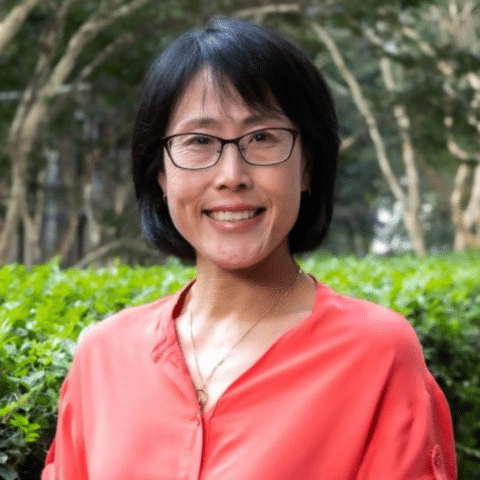
Dr Christina Jang
Hot Flushes, Poor Sleep & More: Managing Menopause After Breast Cancer
Hot flushes, poor sleep and more. Hear from endocrinologist, Dr Christina Jang, as she discusses managing menopause and breast cancer.
 Listen On Spotify
Podcast Transcript
-
Hot Flushes, Poor Sleep & More: Managing Menopause After Breast Cancer
Breast cancer treatment can bring on menopause suddenly or make existing symptoms more severe, significantly affecting a woman’s quality of life. In this episode, we sit down with Dr Christina Jang to explore the challenges of managing menopause during and after breast cancer treatment.
Dr Jang discusses common symptoms, the treatment and management options available, the importance of balancing symptom relief with cancer care, and why a holistic approach to menopause can make a valuable difference to woman’s wellbeing.
“Women’s oestrogen is generally pretty stable up until they get through to the perimenopause. And at the perimenopausal stage the hormones fluctuate. They go up and down literally like a roller coaster. Then in the post-menopausal stage, their hormone levels are really low.”
“So, in women who undergo breast cancer treatment, some of the treatment they receive, such as their chemotherapy, their radiation, or even surgery, renders them menopausal. And instead of their hormones slowly declining, the issue is that they drop very suddenly, and their symptoms can be really severe and very dramatic, very quickly.”
What are the most common symptoms that you see in patients and how can they affect quality of life during and after treatment?
“Hot flushes are the main symptoms. They’re the cardinal symptoms that we all associate with menopause. And that’s still probably what most women present with, hot sweats and flushes. And then there’s also a lot of women who have urinary symptoms. What I mean by that is vaginal dryness, vaginal discomfort, they can get more urinary tract infections.”
“They don’t often share those symptoms unless we ask for them. More frequently though, we’re seeing women who are presenting with other symptoms such as brain fog, joint aches and pains. So, they’re the main ones that we would see. And obviously one of the biggest challenges is balancing symptom management with ongoing breast cancer treatment.”
How has our understanding of safe and effective menopausal management evolved in recent years?
“It’s been a big area of focus in the last few years. In terms of therapies traditionally for women who can’t use hormone therapy, we’ve had few medications that that are available to us, we’ve got anti-seizure medications, and we’ve had cardiac type medications that we traditionally use.
“These days, we have a newer class of medication called the Neurokinin 3 receptor antagonist become available, which works by target the mechanism behind the hot flushes, and they’re quite effective. They’re probably close to first line now for the treatment of hot flushes.”
“In general, the worldwide conversation is broader, there is more media attention about menopause, and women are seeking more information. And so, it makes us look at what other options are available, even if it’s not just those conventional medications that we’re using.”
There are often questions around hormonal therapy and other treatment options after a breast cancer diagnosis. What are some of the current approaches available and how do clinicians work with patients to find the right treatment management plan for them?
“It really depends on the patient, and on what symptoms she has. For example, the medication I mentioned before, Fezolinetant, treats hot flushes very well, but it doesn’t treat the other symptoms that I mentioned before.”
“It’s not very good for sleep, or for mood. So, if it’s those symptoms that are concerning her, we could think about other medications. There are medications such as the SSRIs and SNRIs, which are traditionally used for mood – they’re antidepressants. So, if mood is a predominant symptom, we may use those medications.”
“We go through and we discuss what the woman’s symptoms are, what medications are available and what is suitable for them. In some women we also talk about lifestyle, and cognitive behavioural therapy, which is effective as well.”
“The conversation may also turn to using hormones, if they feel that any non-hormonal medication I’m giving them isn’t effective. But it’s really important for me to discuss it with the oncologist as well.”
How important is it to take a holistic approach to care and who else should be involved in supporting women through these stages?
“I think it’s important first and foremost to have their GP involved. So, the GP can coordinate the approach to treatment. They may not be as confident in prescribing all the different therapies, but I think if they’re on board and can be the main support person, that’s important.”
“I always like to have a good relationship with the oncologist and whoever the woman is primarily seeing. I think exercise therapy is important as well. And one area which is not discussed a lot, as I said, are the genital or urinary symptoms.”
“I think a physiotherapist who has an interest in pelvic health, specifically a Women’s Health Physiotherapist, are very good and a very important part of the team. Especially if we can’t use any vaginal hormone therapies, which are often oestrogen based.”
“Other specialists, or other healthcare professionals including dietitians, exercise physiologists, and exercise therapists, are also important for these women as well.”
Looking ahead, where do you see the biggest opportunities for improving menopausal care for women affected by breast cancer, and are there any emerging areas of research?
“I think the taboo around this topic has been lifted, and it’s no longer just a blanket ‘no’ for use of hormones in women with a history of breast cancer. I think it’s a conversation that’s worth having. And it really depends on the type if disease they’ve got, and whether the oncologist feels comfortable using it.”
“And then it’s a matter of discussing with the patient whether she’s comfortable with using it or not. We talk through the benefits; we talk through some of the risks and then we trial it and see whether they feel well, and we ask them whether they want to use it or not.”
“The main message is that these symptoms can be really debilitating for women. Please listen to them, and please hear what they’re saying. There are lots of treatments and therapies, which are available. Please discuss it with your patients and refer them to someone who can help them.”